About Region
Republic of Buryatia
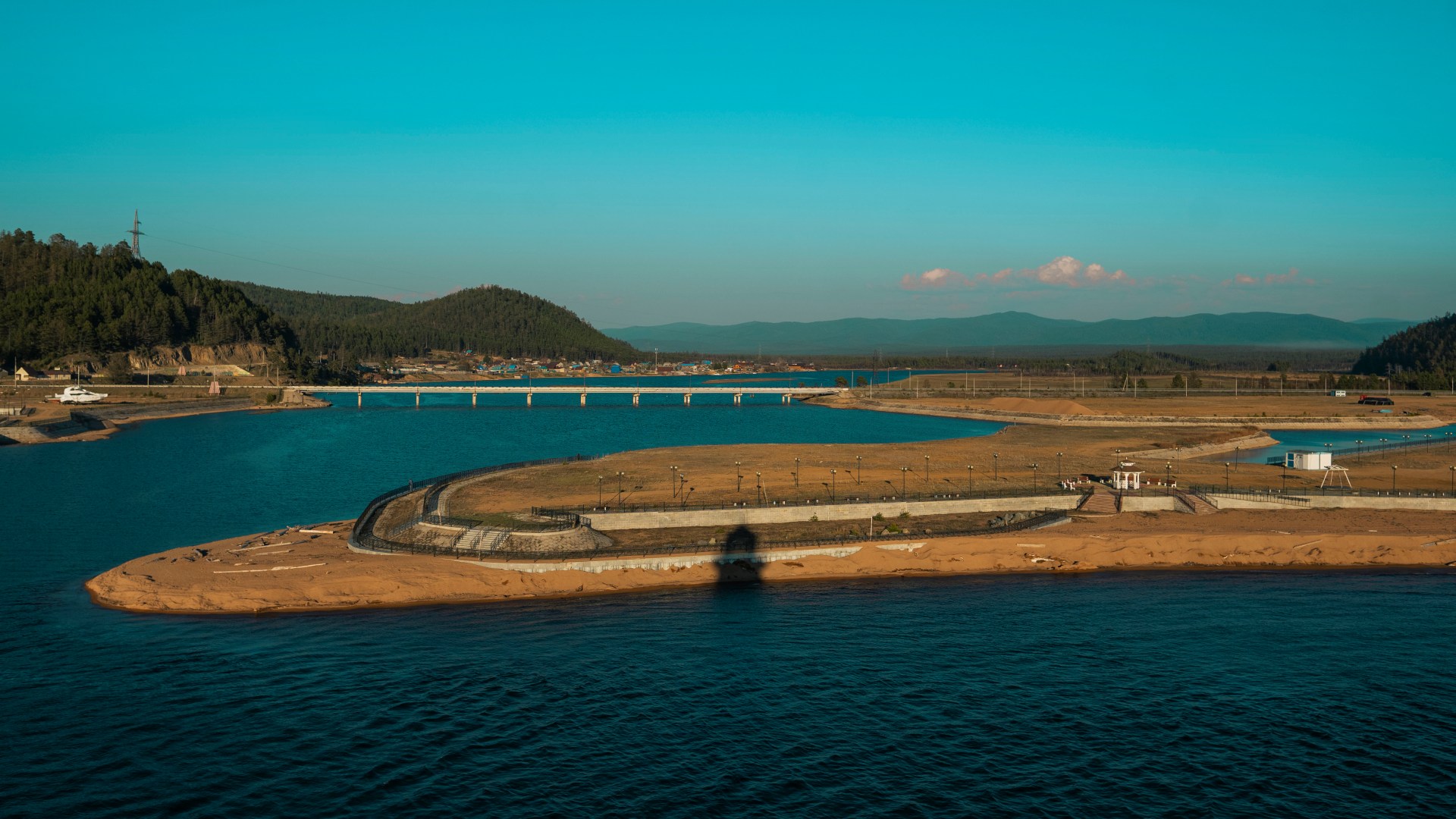


Republic of Buryatia
To create and implement advanced knowledge and scientific achievements for the sustainable development of rural territories in the Far East and Siberia
among "Green Universities of Russia" (The "Green Universities of Russia" Association implements ecological principles of the "green" economy in Russian universities)

graduates trained over 90 years for Russian regions and other countries
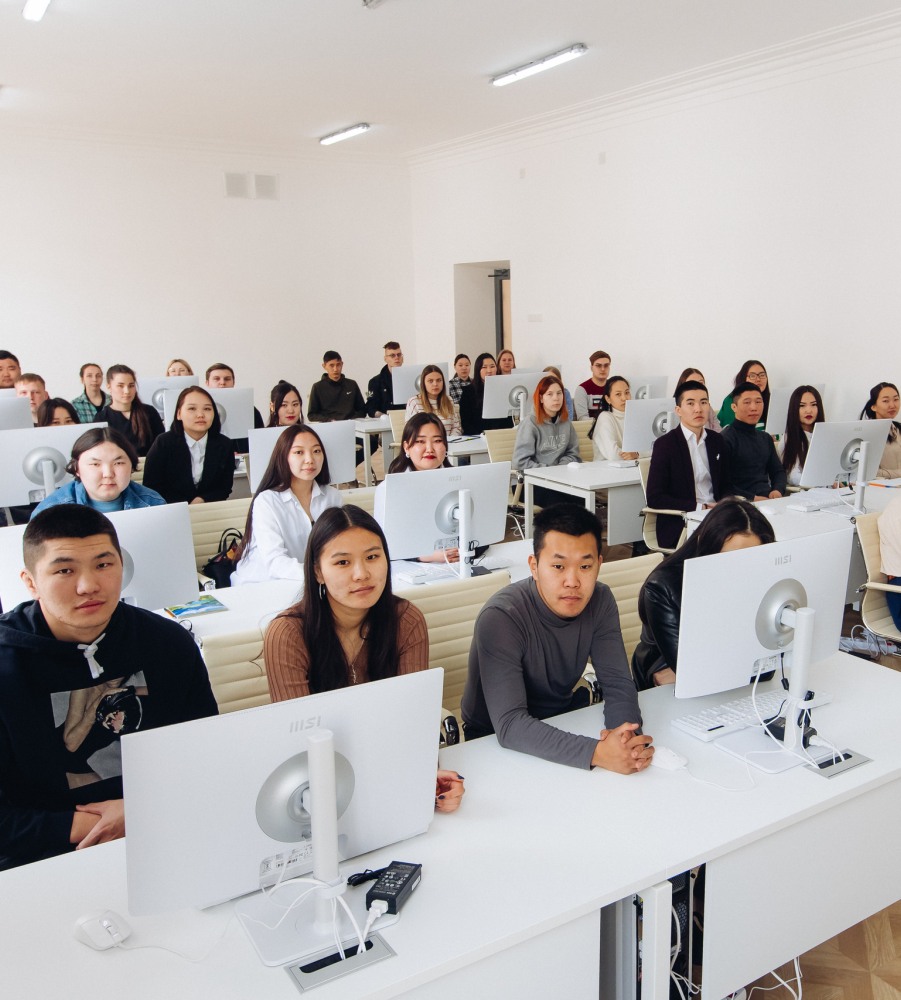
of academic staff hold advanced degrees.
300 employees, including 170 professors and associate professors
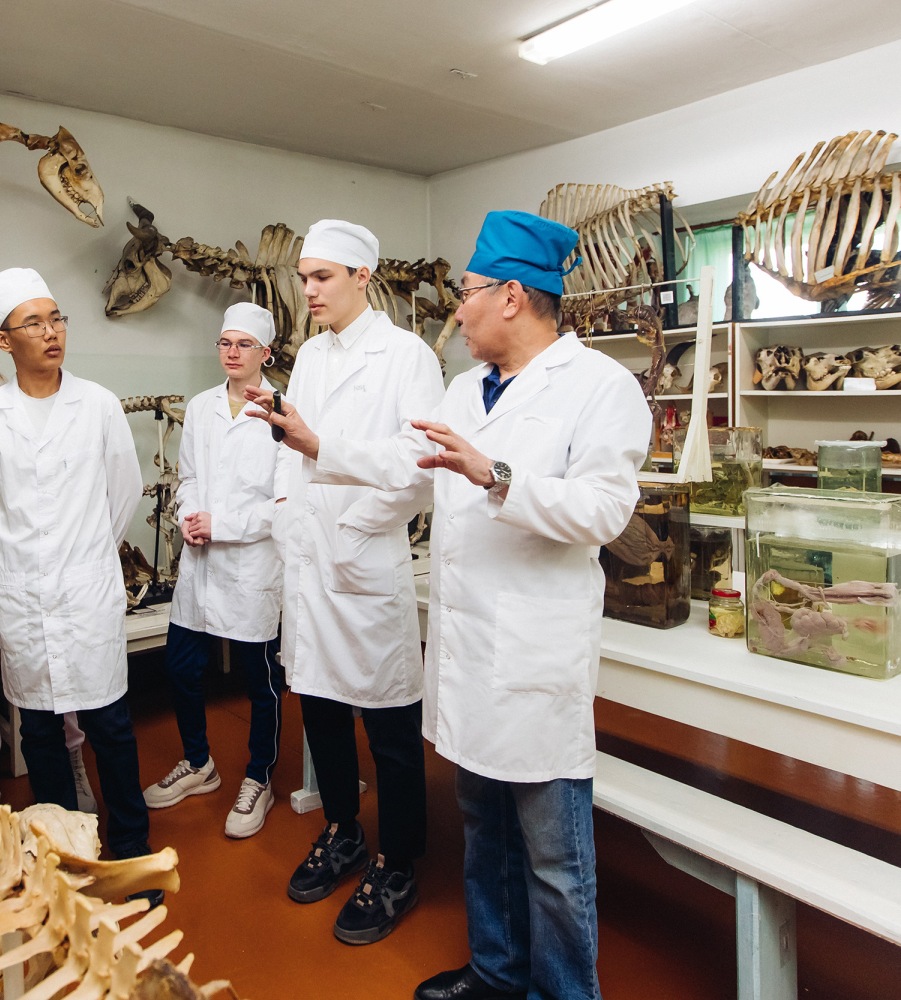
students across all forms of education
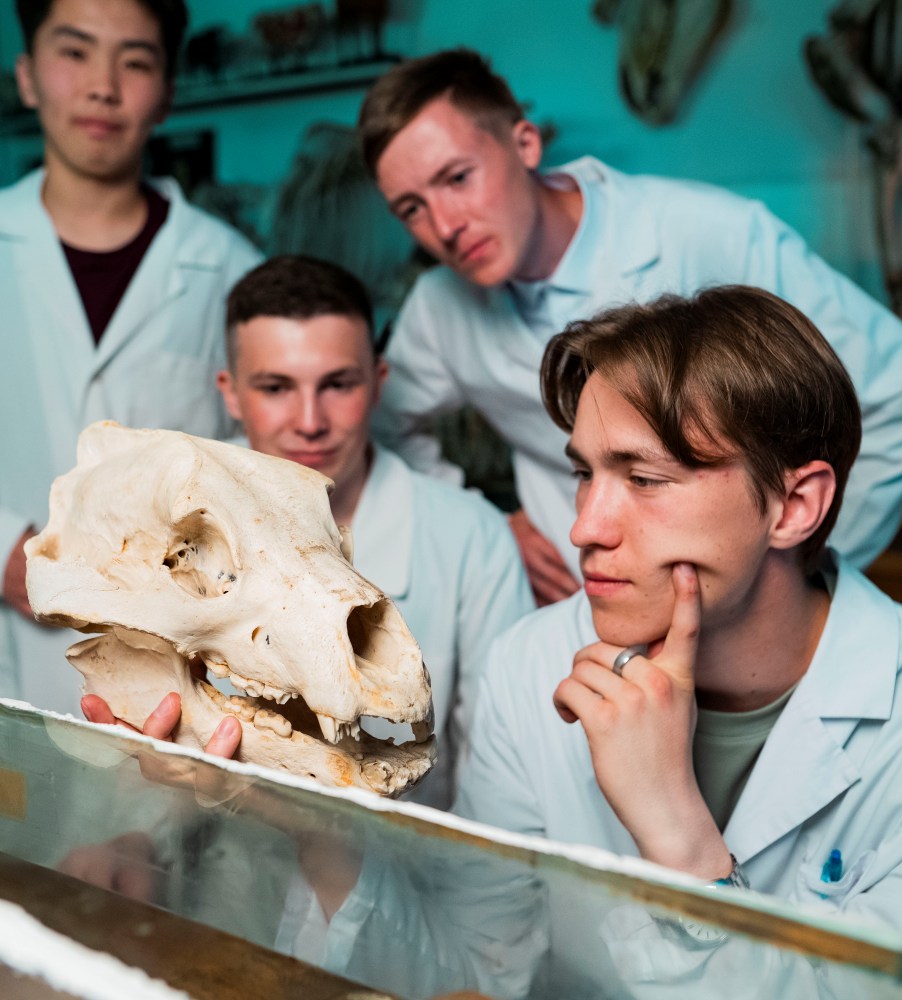
to create and implement advanced knowledge and scientific achievements for the sustainable development of rural territories in the Far East and Siberia

Приоритет 2030
State Support of Russian Universities

Deputy of the People's Khural of the sixth convocation Member of the "United Russia" faction in the People's Khural of the Republic of Buryatia

for Academic and Student Affairs, Youth Policy and Digitalization

for Research and International Relations

по развитию

for Continuing Professional Education - Director of the Institute of Lifelong Learning

for Administrative and Operational Work



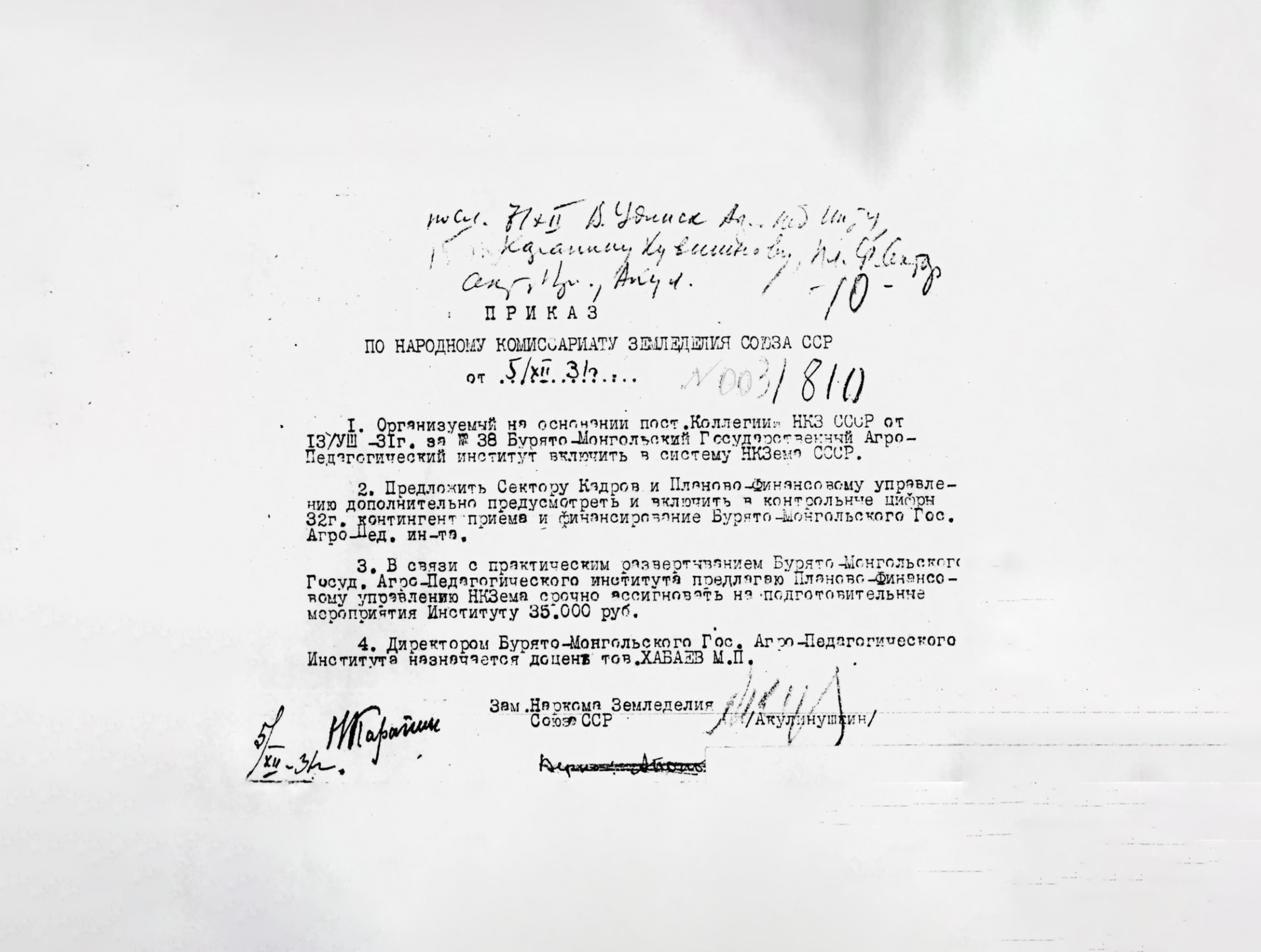
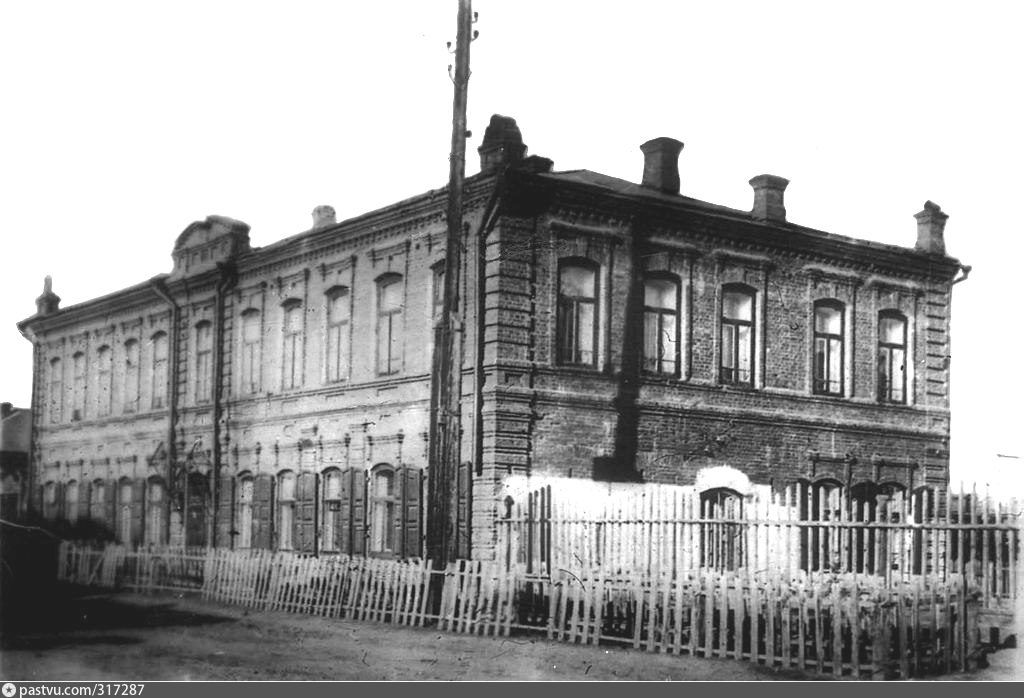
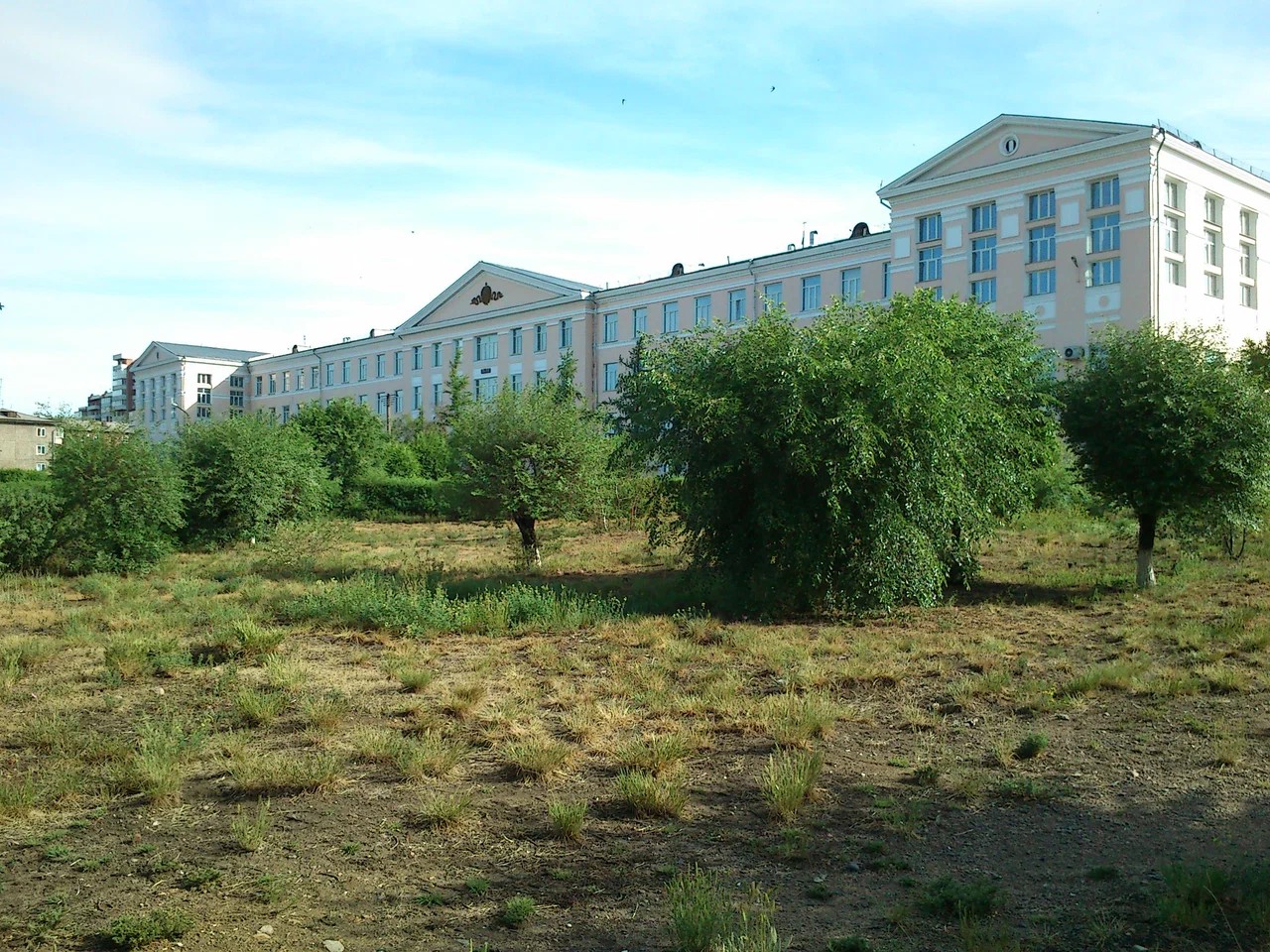

The V.R. Filippov Buryat State Agricultural Academy is one of the leading agricultural universities in the eastern part of Russia, providing training and professional development for agricultural, veterinary, engineering, economic specialists, and research personnel for the agro-industrial complex of Eastern Siberia, Transbaikalia, and the Far East..
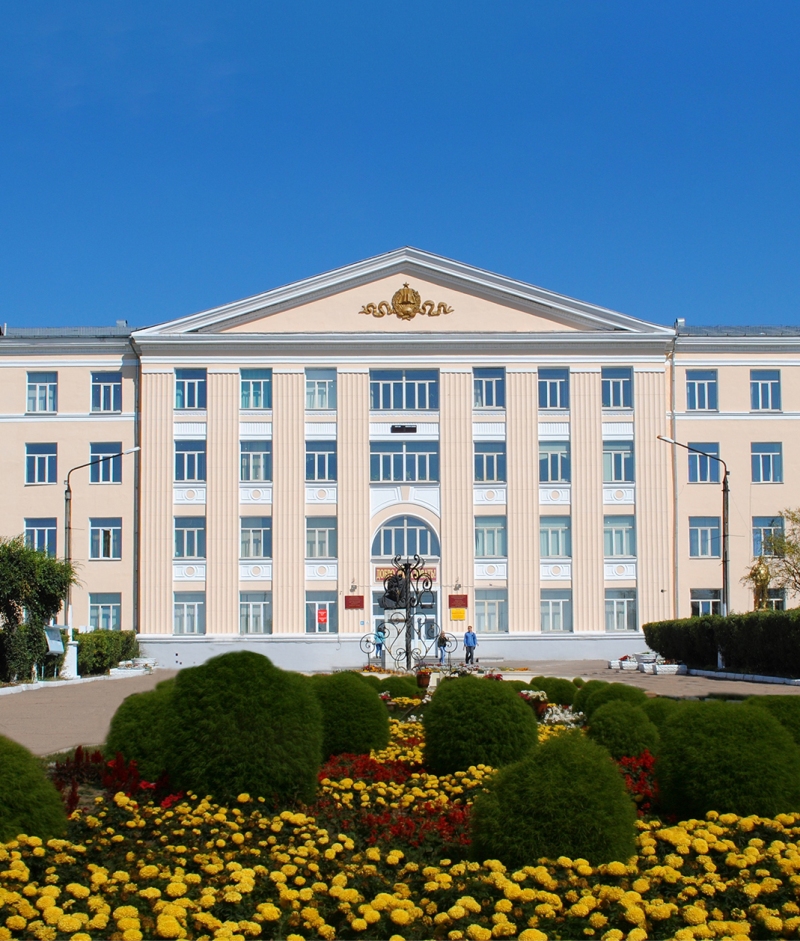
Over its 90-year history, the V.R. Filippov Buryat State Agricultural Academy has trained more than 50 thousand qualified higher and secondary-level specialists. The Academy has formed a highly qualified academic staff with significant potential, capable of addressing modern challenges in graduate education and conducting high-level research.
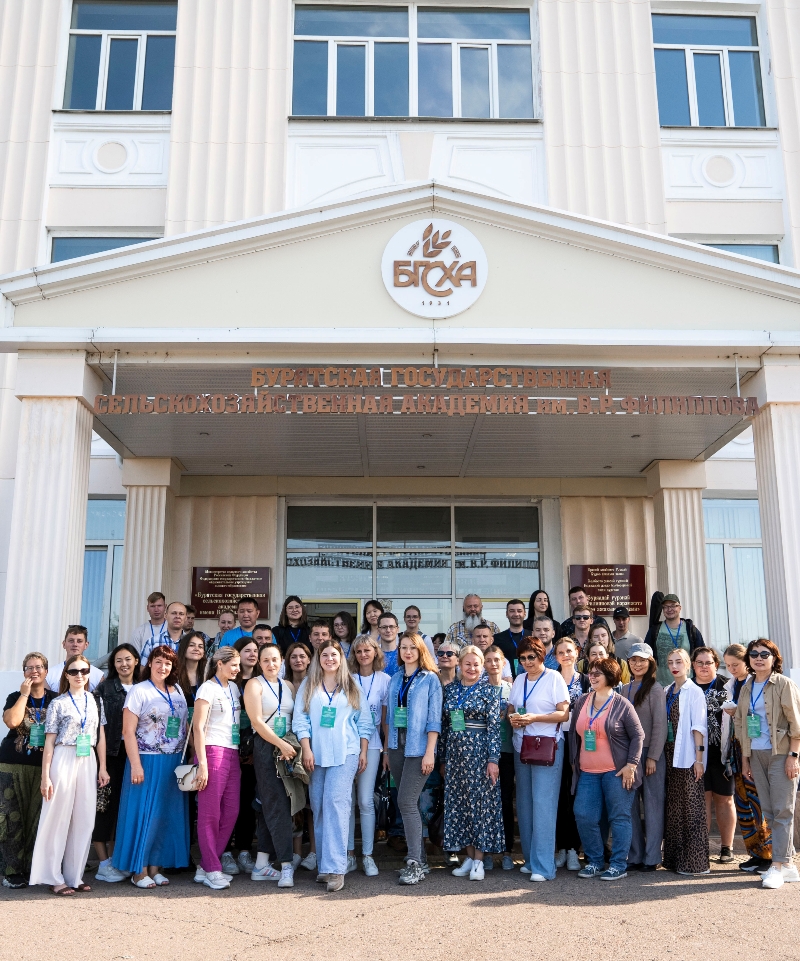
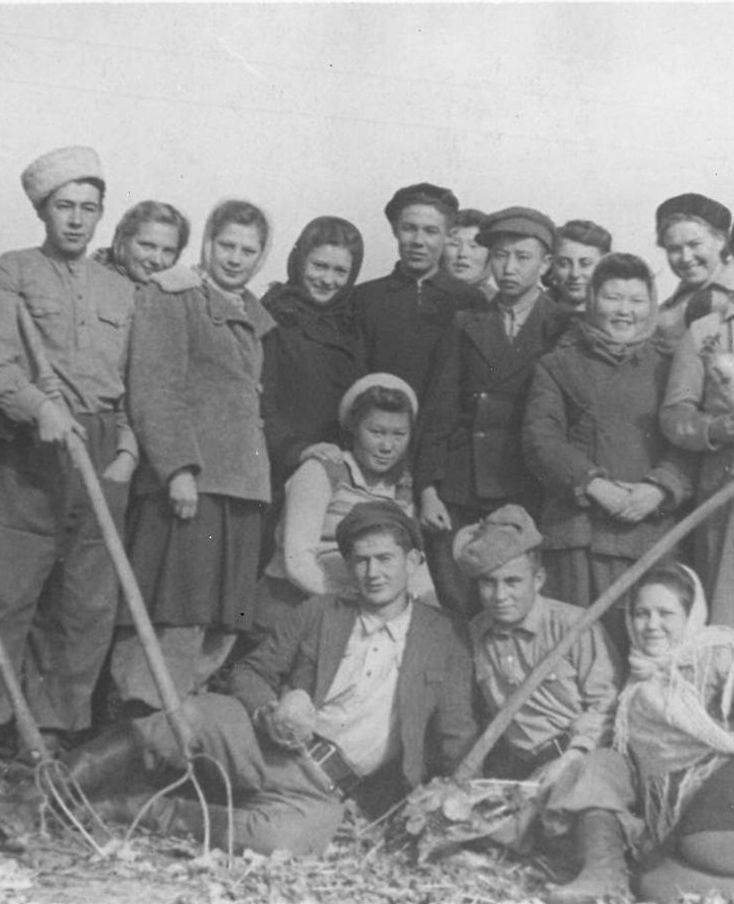
The Academy has grown and developed alongside the nation, sharing the historical path of Transbaikalia, Eastern Siberia, and Buryatia. It has contributed to rural transformation, endured the hardships of war and the postwar period, achieved successes in economic reforms, and persevered through difficulties.