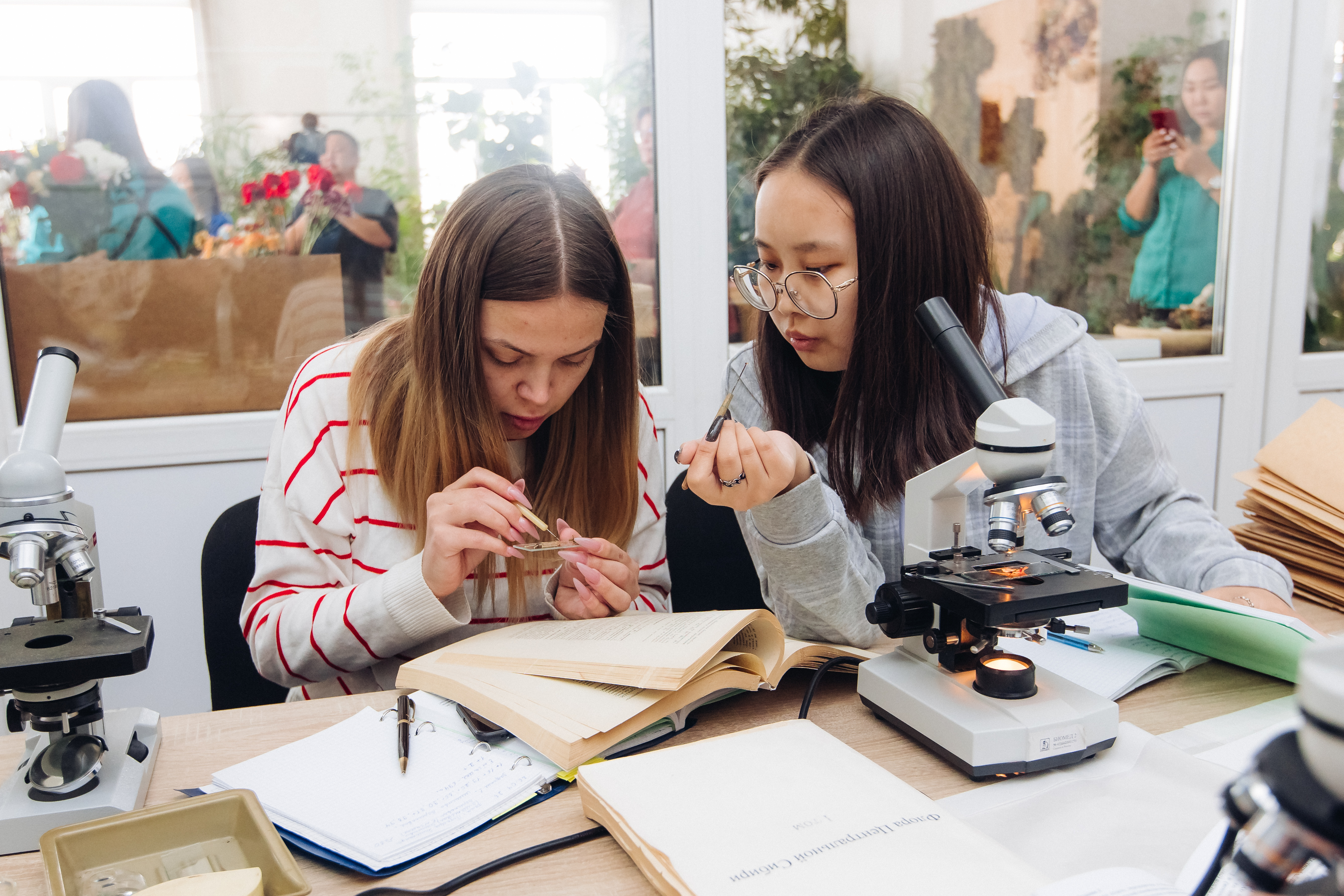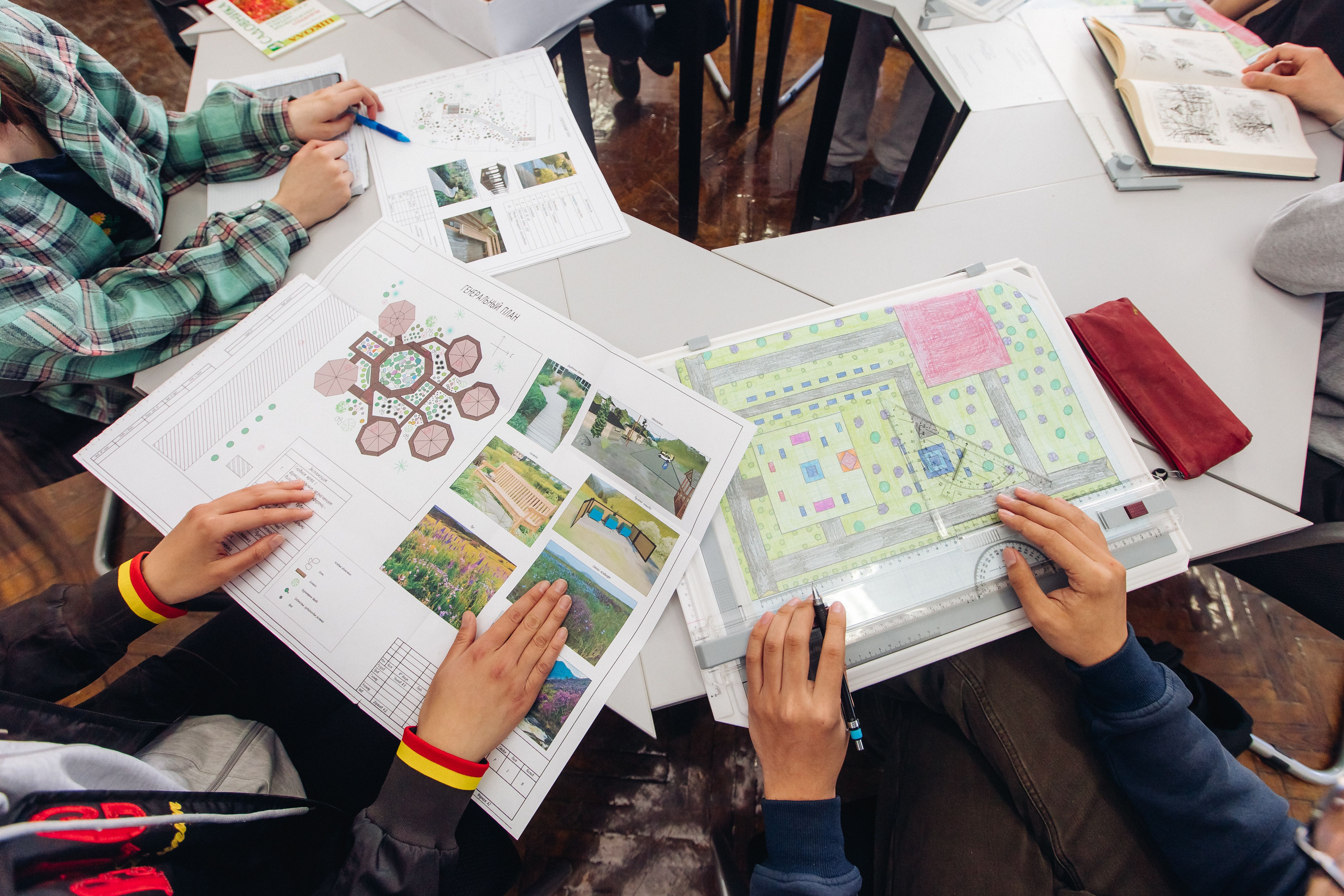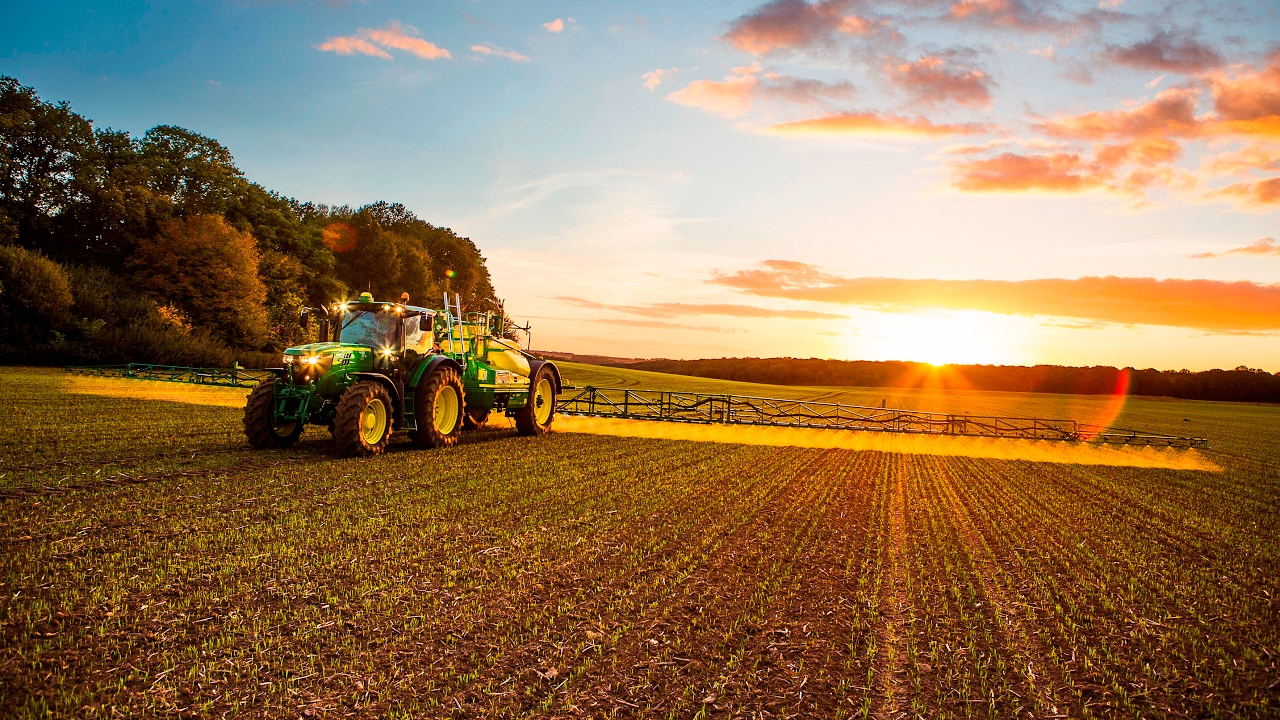
Despite the emergence of numerous new agricultural specialties in recent decades, agronomy remains the cornerstone of the industry. For instance, without feed production, livestock farming would not exist. Therefore, agronomic specialties remain highly relevant today, both nationally and regionally. Furthermore, they possess a distinctly creative dimension, as even the most modern technologies, including those from abroad, must be adapted to local soil and climatic conditions—not just at a zonal level, but for specific landscapes.
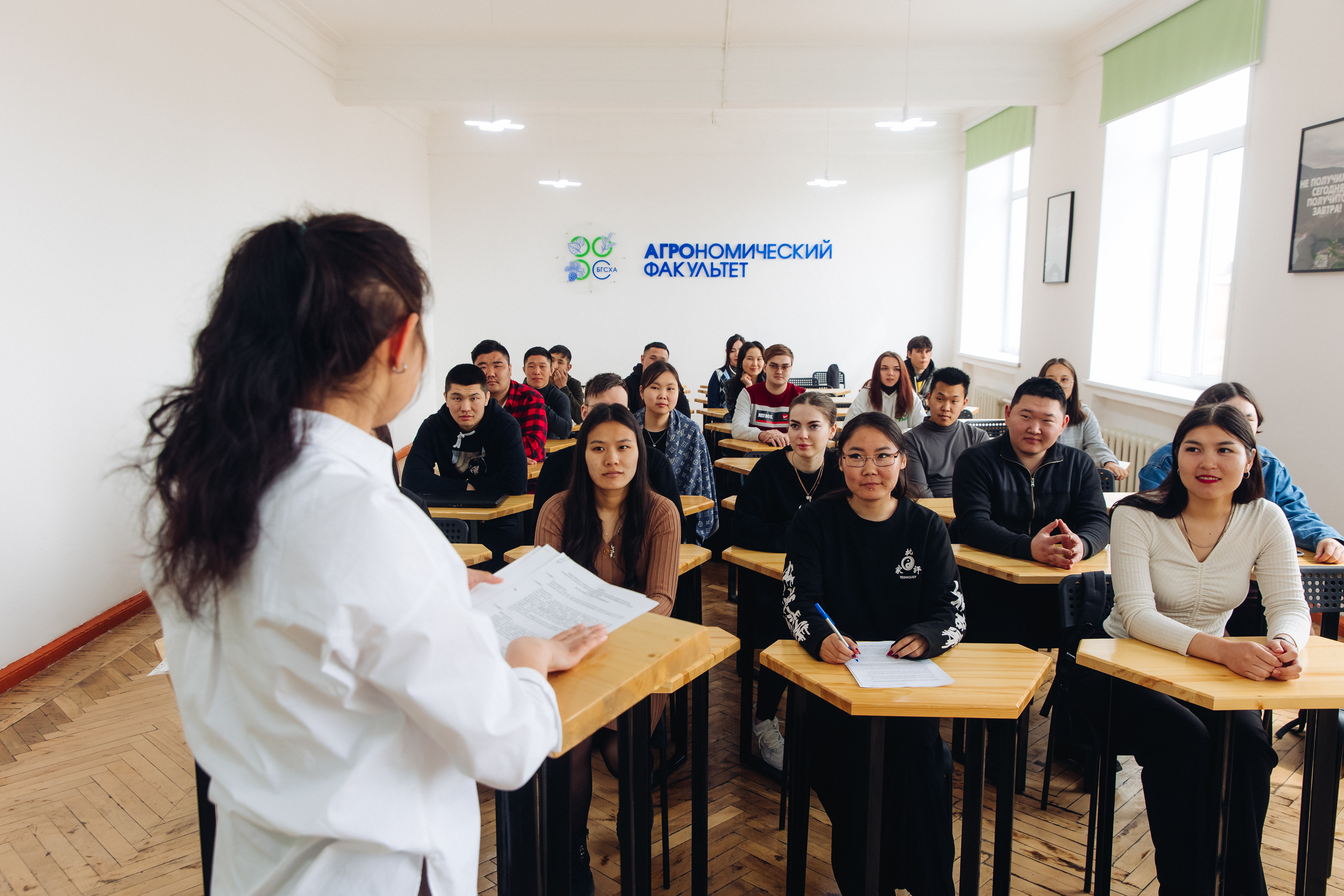
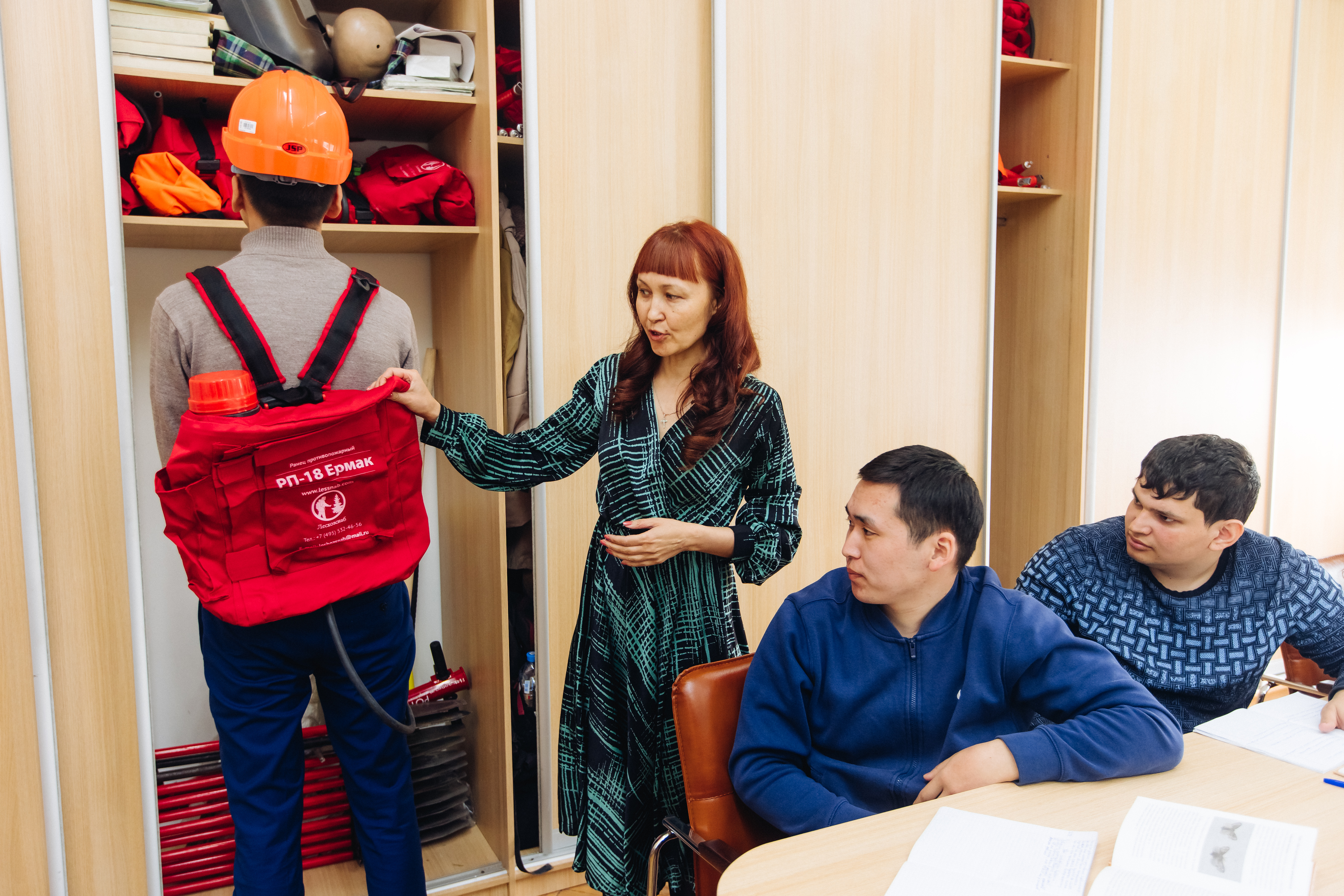
For nearly 60 years, the Agronomy Faculty has been training qualified agronomists who continue to actively contribute to agricultural production in Buryatia and the neighboring Zabaykalsky Krai. In addition to the "Agronomy" specialization, you can become a specialist in Agroecology or earn a Bachelor's degree in Agrochemistry and Soil Science. In recent years, the faculty has also launched training in Forest Engineering, representing the first higher education program in forestry within the Transbaikal region.
Academic Excellence and Expertise
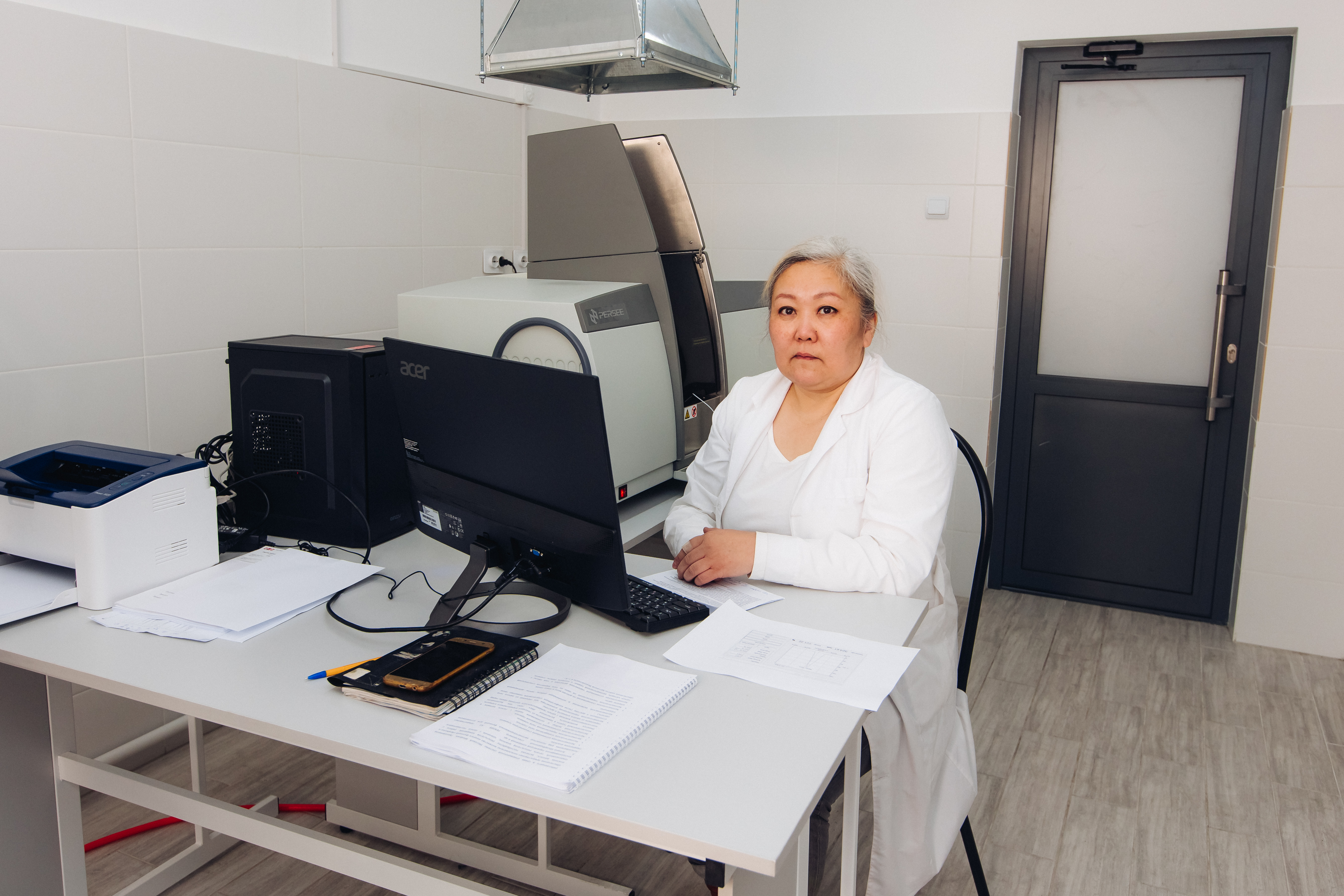
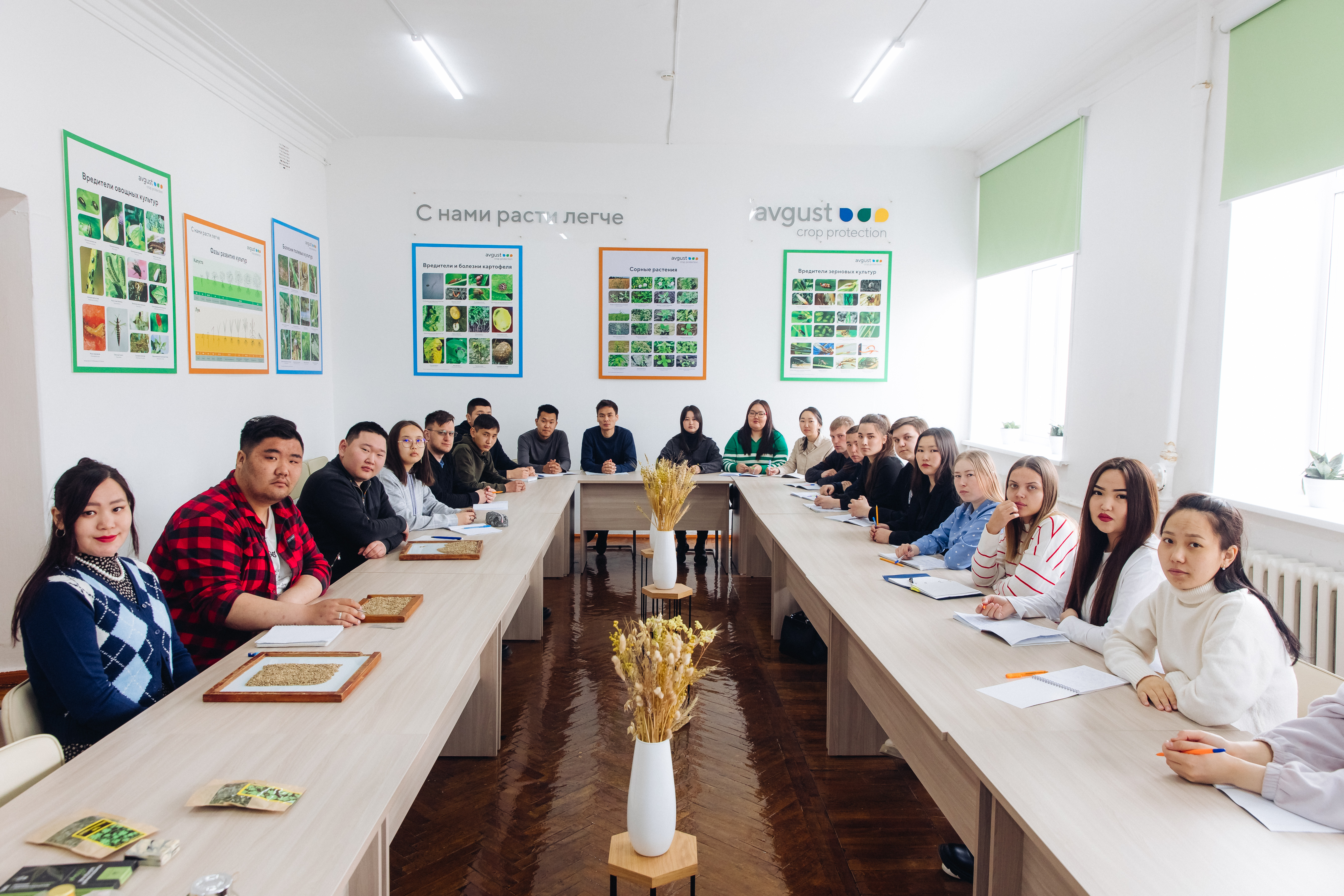
The modern Agronomy Faculty team comprises 11 professors and doctors of science, with an average age of 49 and 78% holding advanced degrees. The faculty pioneered the two-tier (Bachelor's/Master's) education system among Siberian agricultural universities and possesses extensive experience in international educational collaboration.
We welcome graduates from both rural and urban schools in the Transbaikal region and Irkutsk Oblast to enroll in our programs: "Agronomy," "Agrochemistry and Soil Science," "Horticulture," and "Forestry," as well as our 10 Master's programs including "Organic Agriculture," "General Agriculture," "Agrobiochemistry," "Soil and Landscape Mapping," "Plant Science," "Vegetable Growing," "Horticulture," "Meadow Management," "Landscape Architecture," and "Environmental Monitoring."
The Agronomy Faculty offers:
High employability of graduates
State-funded education (academic and social scholarships, incentive payments, financial support)
Practical training at leading enterprises and institutions across Russia and internationally
Engaging research activities
Opportunities in social, sports, and cultural-creative pursuits