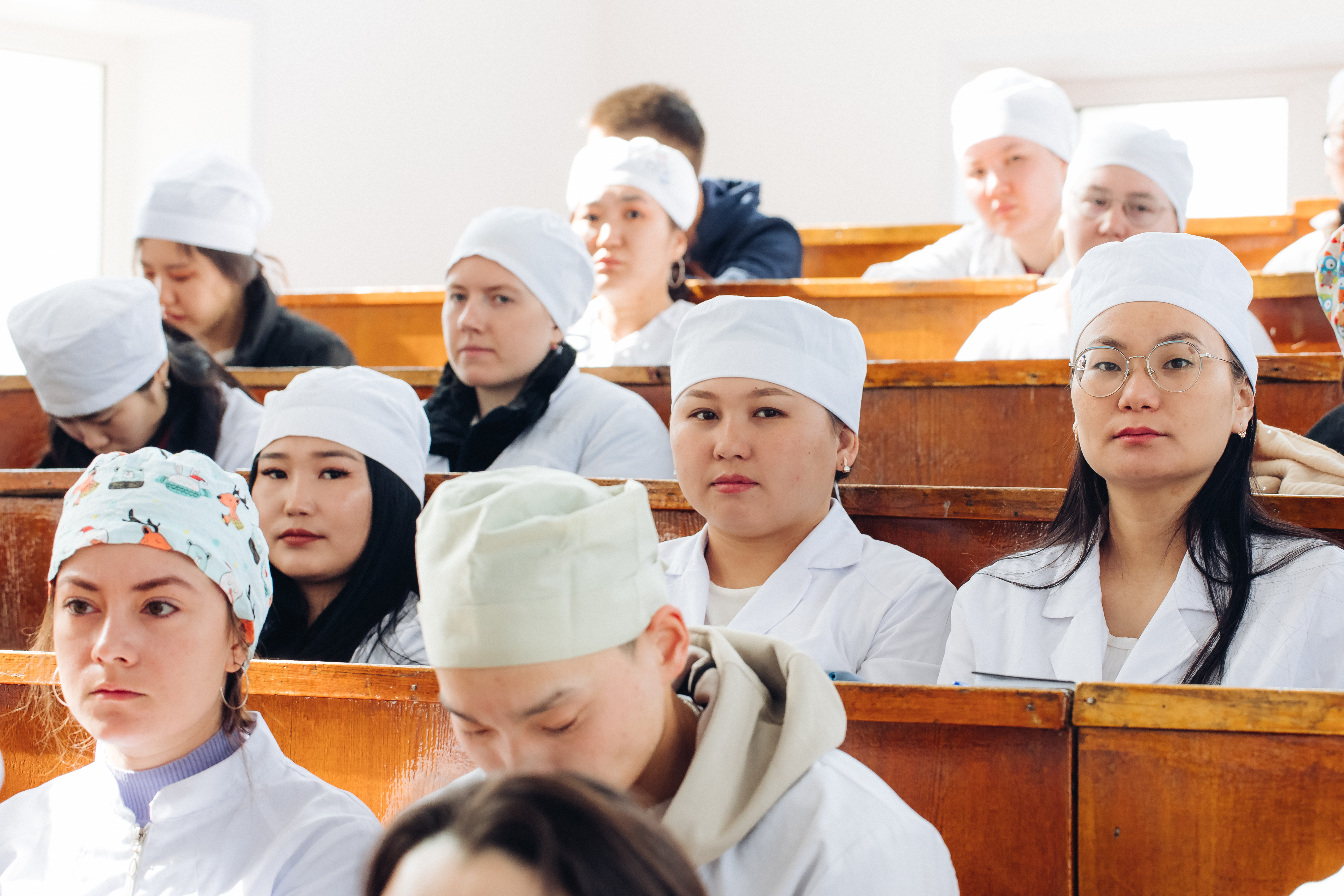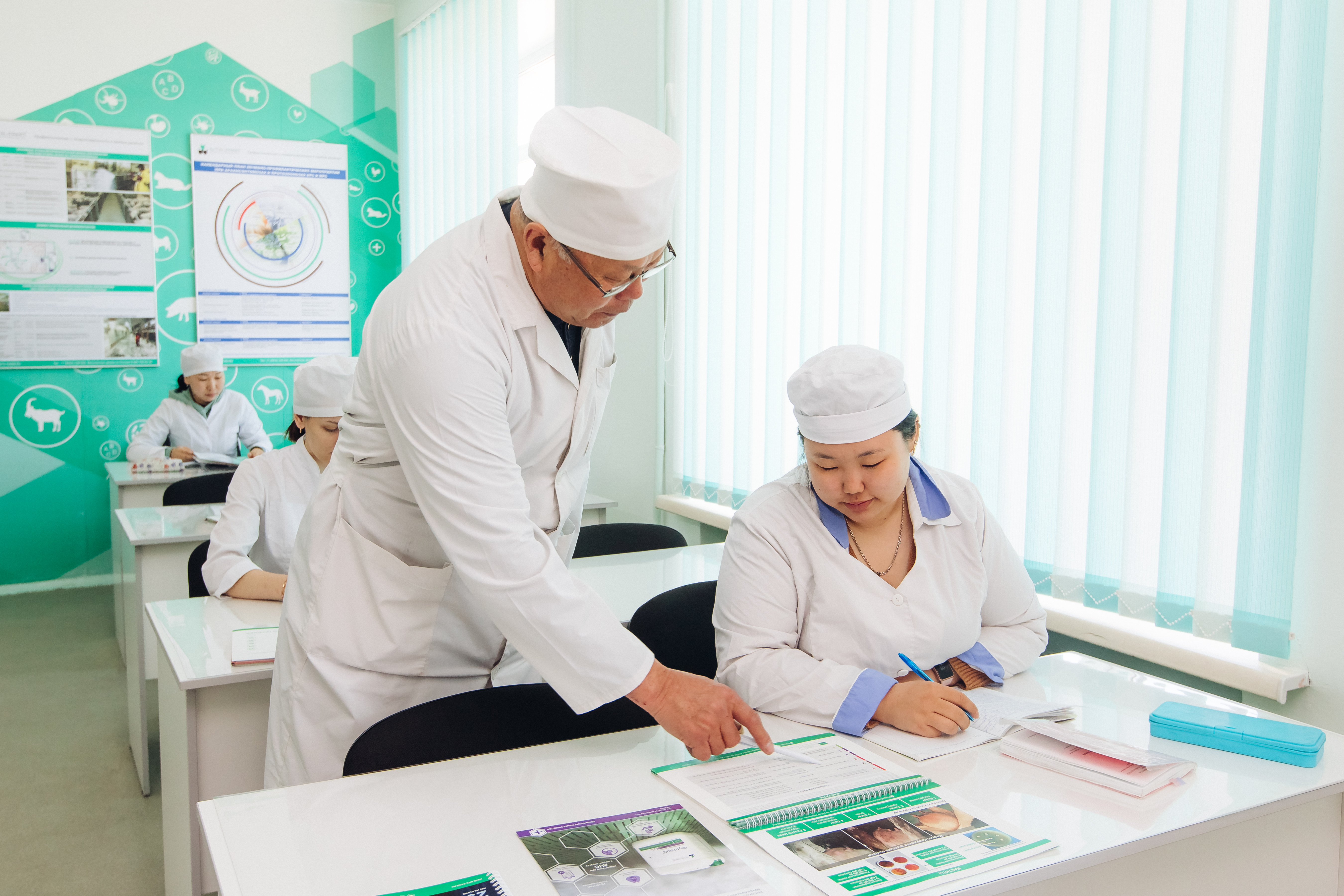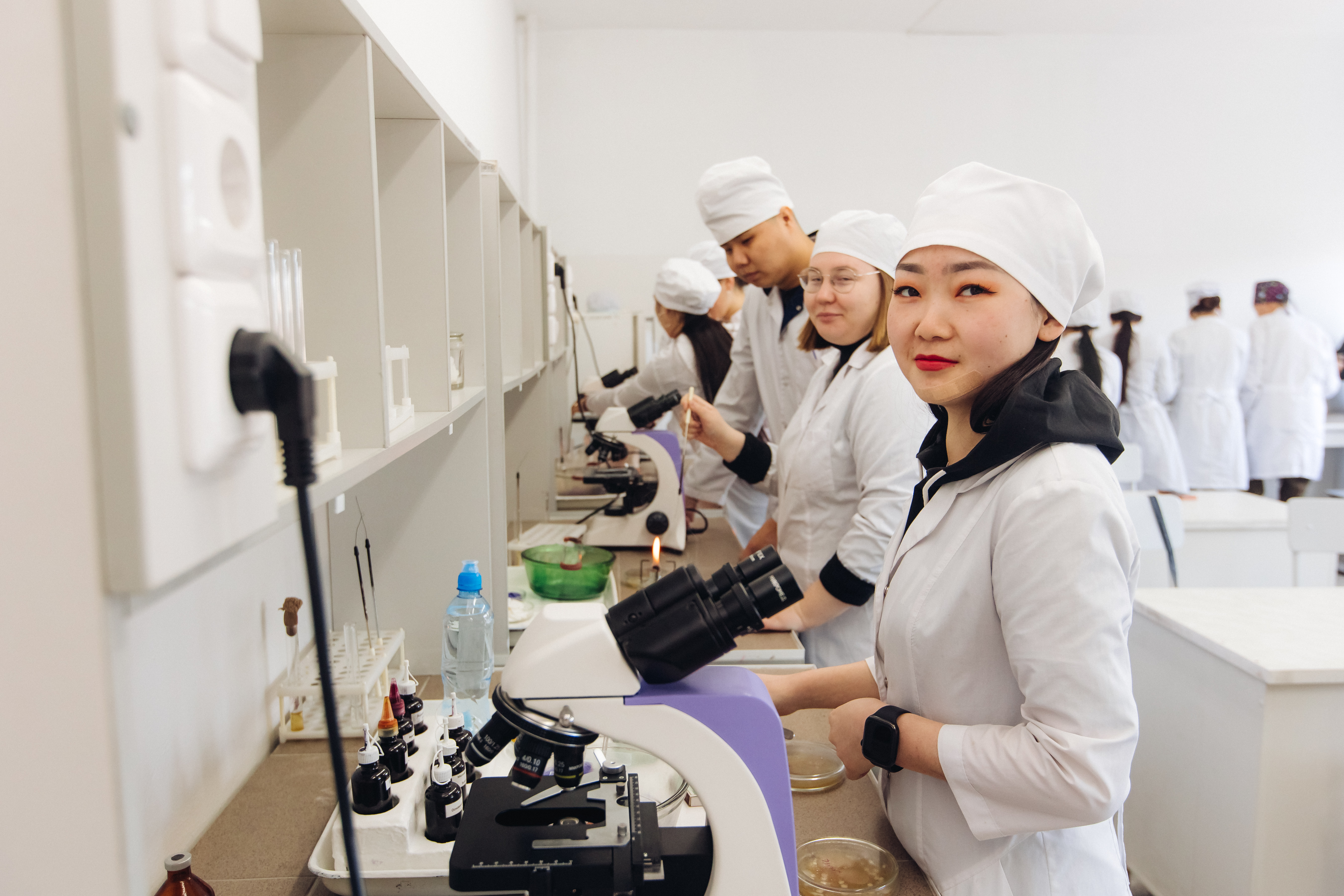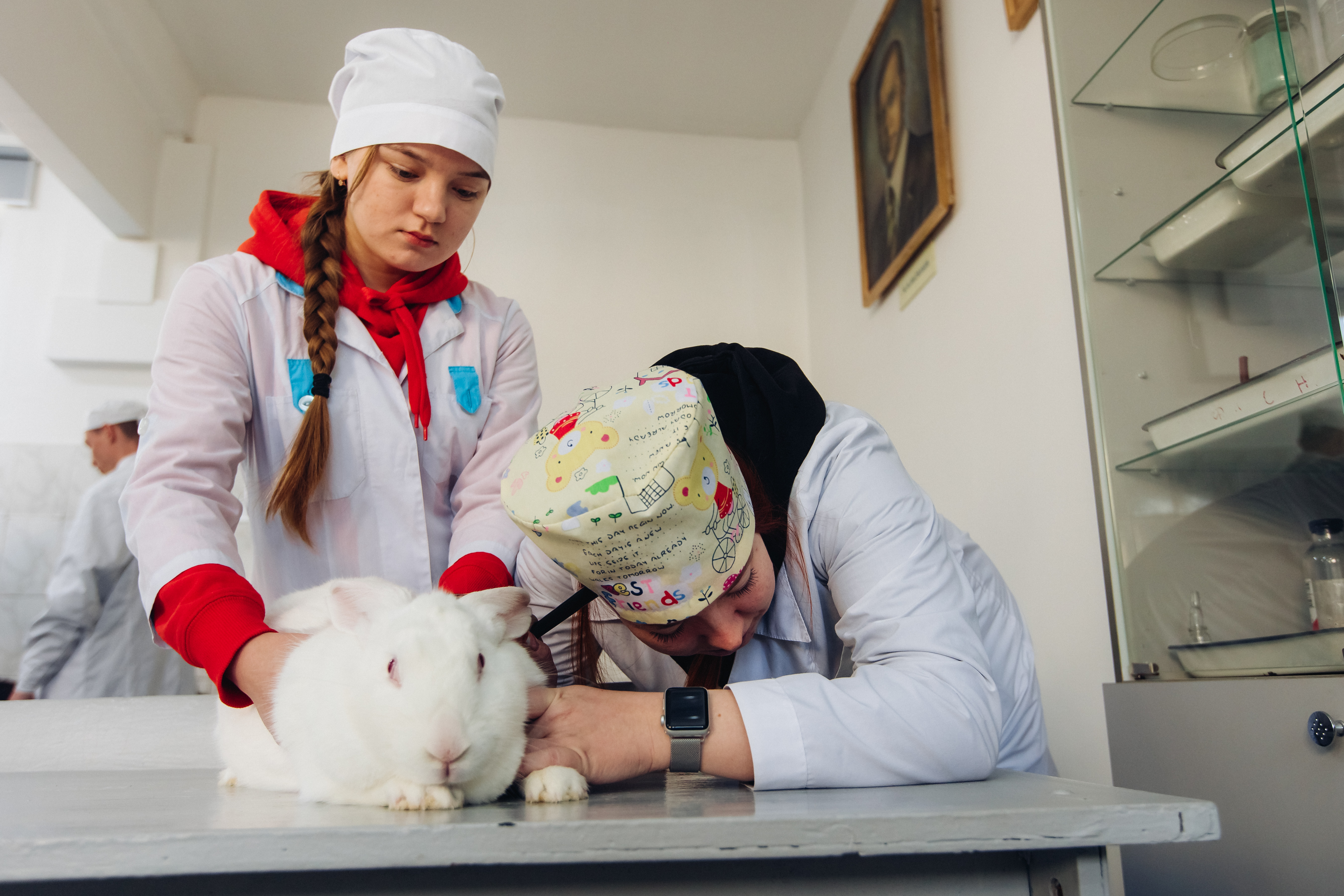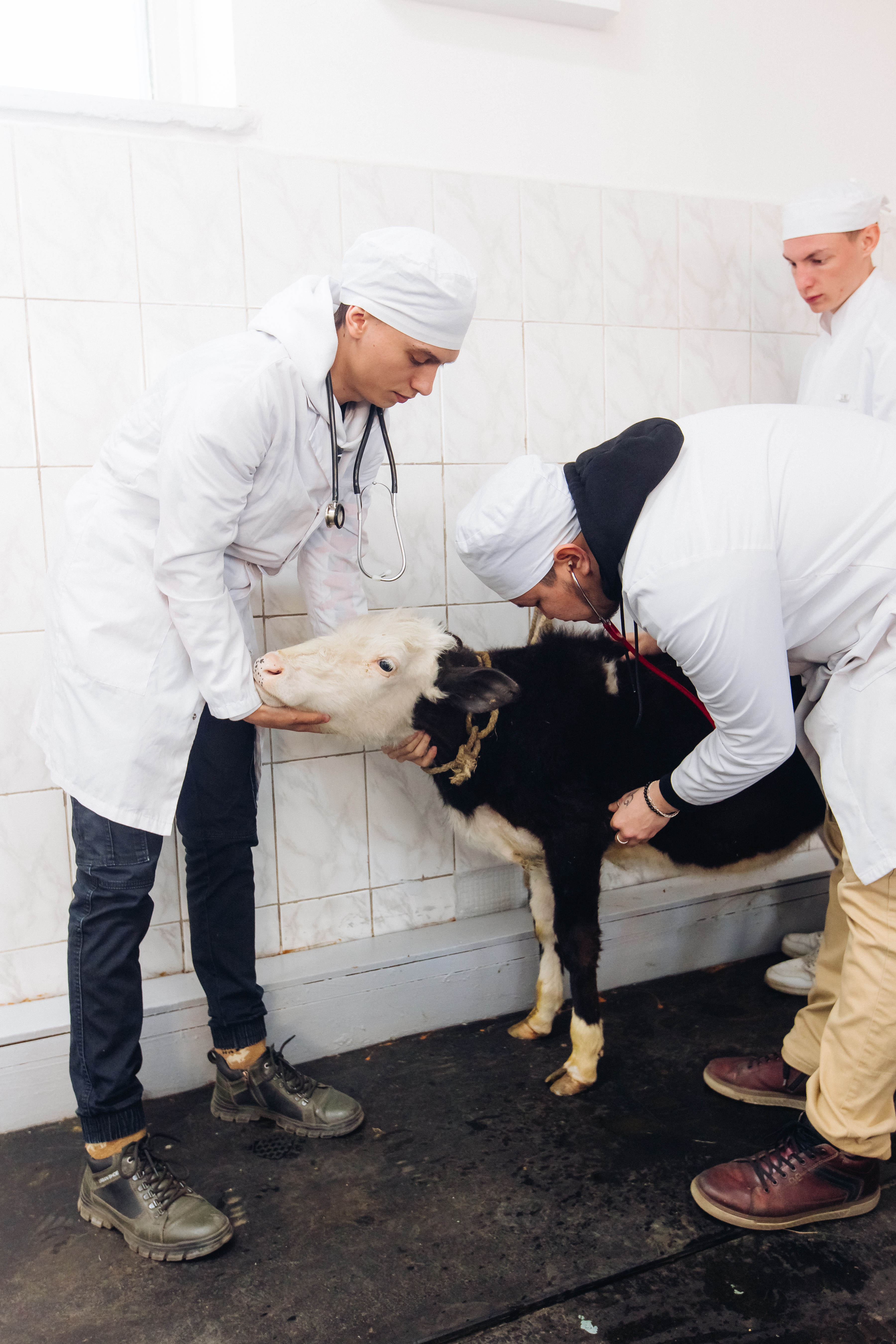
Only the reliable and professional work of veterinary services can safeguard the health of both people and animals. The well-being, high productivity, and fertility of animals depend on the quality of veterinary measures. All products of animal origin undergo mandatory veterinary and sanitary inspection. Within the framework of Russia's accession to the WTO, the quality of livestock products is of paramount importance. Therefore, improving the quality of food and industrial raw materials, and protecting humanity from shared diseases, is unthinkable without the work of the VETERINARIAN.

We note without false modesty that our graduates are highly competitive and distinguished by their professionalism. Many hold leadership positions in large enterprises, organizations, and administrative bodies.

The students and faculty take pride in the fact that our academy is named after a faculty graduate – Prof. Vasily Rodionovich Filippov. Two other faculty graduates, Professors Alexander Petrovich Popov and Vladimir Dulmazhapovich Radnatarov, each led the academy for nearly 20 years.

The faculty offers programs in:

36.05.01 Veterinary Medicine, leading to the qualification "Specialist" (5-year program).
36.03.01 Veterinary-Sanitary Expertise, leading to the qualification "Bachelor's" (4-year program).
Graduates in "Veterinary Medicine" can work in industrial complexes for milk and meat production, breeding animal farms, animal disease control stations, veterinary clinics, regional veterinary hospitals, clinical diagnostic laboratories, and border veterinary institutions. Additionally, veterinarians can work in sectors of the Russian economy related to trade, transport, and the food industry involving veterinary supervision.

Graduates in "Veterinary-Sanitary Expertise" are in demand in veterinary-sanitary inspection laboratories, meat processing plants, sausage production facilities, enterprises involved in the production and processing of livestock products, border veterinary institutions, and other sectors of the Russian economy related to veterinary supervision.

After completing their studies, "Specialist" graduates can continue their education in postgraduate studies. The faculty hosts research schools in: animal diagnosis and therapy; animal pathology, oncology, and morphology; veterinary infectology and ecology of pathogenic microbes; and monitoring of associative invasive diseases in the Lake Baikal basin region.

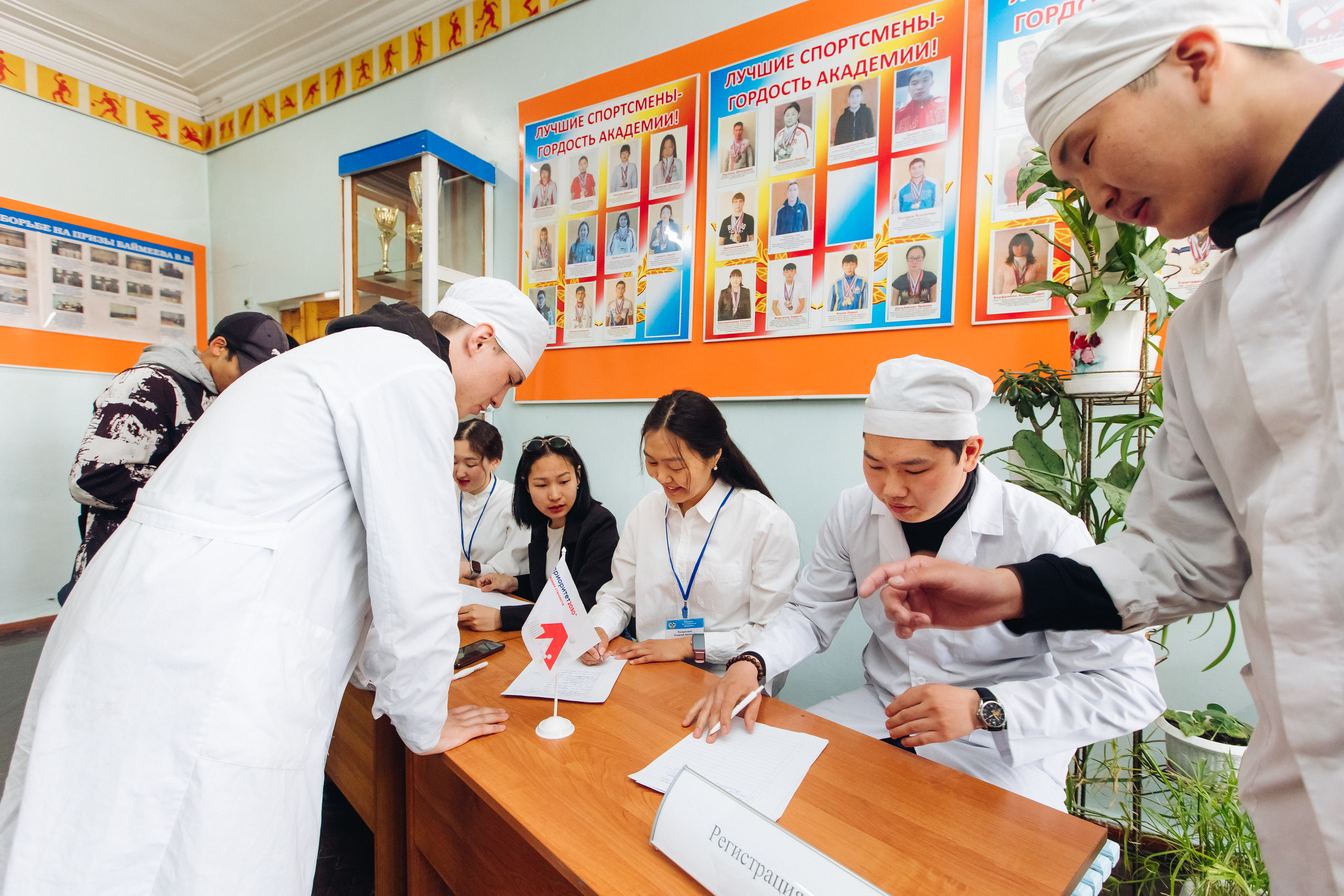
Each department hosts student scientific circles, annual subject Olympiads, and scientific conferences. Beyond academics, students engage in cultural and sports activities, participating in talent shows, competitions, and KVN, discovering talents they never knew they had. In sports clubs under experienced coaches, students improve their health and achieve high athletic results.

The faculty staff understands the profound responsibility of training highly qualified specialists and looks confidently towards the future.

We invite you, dear applicants, to join our faculty and acquire the honorable professions of VETERINARIAN and VETERINARY-SANITARY EXPERT.
Dean's Office Contacts

Address::
670024, Ulan-Ude, 8 Pushkin Street, Morphological Building
Working Hours:: 8:30 AM - 5:30 PM (Lunch break: 12:30 PM - 1:30 PM)

The establishment of an agricultural institute was an urgent necessity for the then-agrarian Buryatia. Furthermore, the republic was highly vulnerable to a number of dangerous zoonotic diseases such as glanders in horses, anthrax, foot-and-mouth disease, and other infectious and parasitic diseases. There was a severe shortage of zootechnical specialists, and the few available veterinarians were physically unable to manage treatment, let alone conduct preventive measures.

The institute's administration, together with the teaching staff, conducted extensive work to establish the material and technical base.

The Main Directorate of Universities of the USSR People's Commissariat of Agriculture assigned young candidates of science who had completed postgraduate studies at central institutions across the country to permanent positions:

In 1937: I. A. Spiryukhov (anatomist), S. N. Machulsky (parasitologist), P. I. Rebrov (therapist), V. N. Chernov (surgeon), G. V. Ivanov (chemist), T. N. Omelchenko (feeds specialist).
In 1938: M. G. Kosarev (microbiologist), A. D. Misharev (zootechnician), D. K. Chervyakov (pharmacologist).
In 1940: N. P. Tikhomirov (therapist).
Upon invitation from the institute's leadership, the following specialists arrived for permanent work:

In 1937: Renowned horse breeder, Candidate of Agricultural Sciences, Associate Professor I. O. Liping; epizootiologist, Candidate of Veterinary Sciences, Associate Professor S. S. Kosatkevich; physiologist, Candidate of Biological Sciences, Associate Professor M. A. Aksenova.
In 1938: Zoohygienist, Professor B. Kh. Medvedev.
All of them headed respective departments and worked until the beginning of the Great Patriotic War (WWII).

Thus, by the end of 1937, the institute was largely staffed with scientific-pedagogical personnel, and with immense help from the republican government, the necessary material and technical base was created to ensure the successful training of veterinarians.

The first dean of the faculty was Associate Professor Pavel Ivanovich Rebrov (born 1907).

Before the start of WWII, the faculty graduated three cohorts of veterinarians: 20 in 1939, 18 in 1940, and 13 in 1941. All were assigned to practical work in the Buryat-Mongolian ASSR, Irkutsk Oblast, and Chita Oblast. This small contingent of specialists played a crucial role in boosting public livestock farming and in eliminating and preventing the infectious and parasitic diseases prevalent at the time.

From the first days of the WWII, a significant portion of teachers and students were drafted into the army. The institute was temporarily closed in September 1941 and reopened in May 1944. Many teachers returned and continued their work (e.g., I.A. Spiryukhov, V.Ya. Suetin, D.K. Chervyakov, S.N. Machulsky). Demobilized students also returned to continue their studies. Among the first post-war intake (1941-1945) were many war veterans (e.g., M.I. Bogdanov, M.S. Kobets, M.A. Karbainov, I.P. Volgin, G.A. Nemchinov), who, after graduating from the institute, continued their studies in postgraduate programs at central universities. After obtaining candidate of science degrees, they returned to their alma mater and worked as teachers for many years.

Over 84 years of operation, the faculty has held 74 graduation ceremonies and trained over 6,000 specialists who have worked successfully in the national economy of Siberia and the Far East. Many became major economic and state leaders, scientists, and public figures.

Today, 25 departments of the academy participate in teaching students in the "Veterinary Medicine" specialty, including 4 departments of the Faculty of Veterinary Medicine. These are housed in two academic buildings – morphological and clinical – and employ 30 teachers, including 12 Doctors of Sciences and Professors, 18 Candidates of Sciences, 1 Honored Veterinarian of the Russian Federation, 5 Honored Workers of Higher Professional Education of Russia, and 7 Honored Veterinarians of the Republic of Buryatia. Over this period, a number of scientific fields have been established at the faculty, productively developing research in various areas of biology and veterinary medicine.

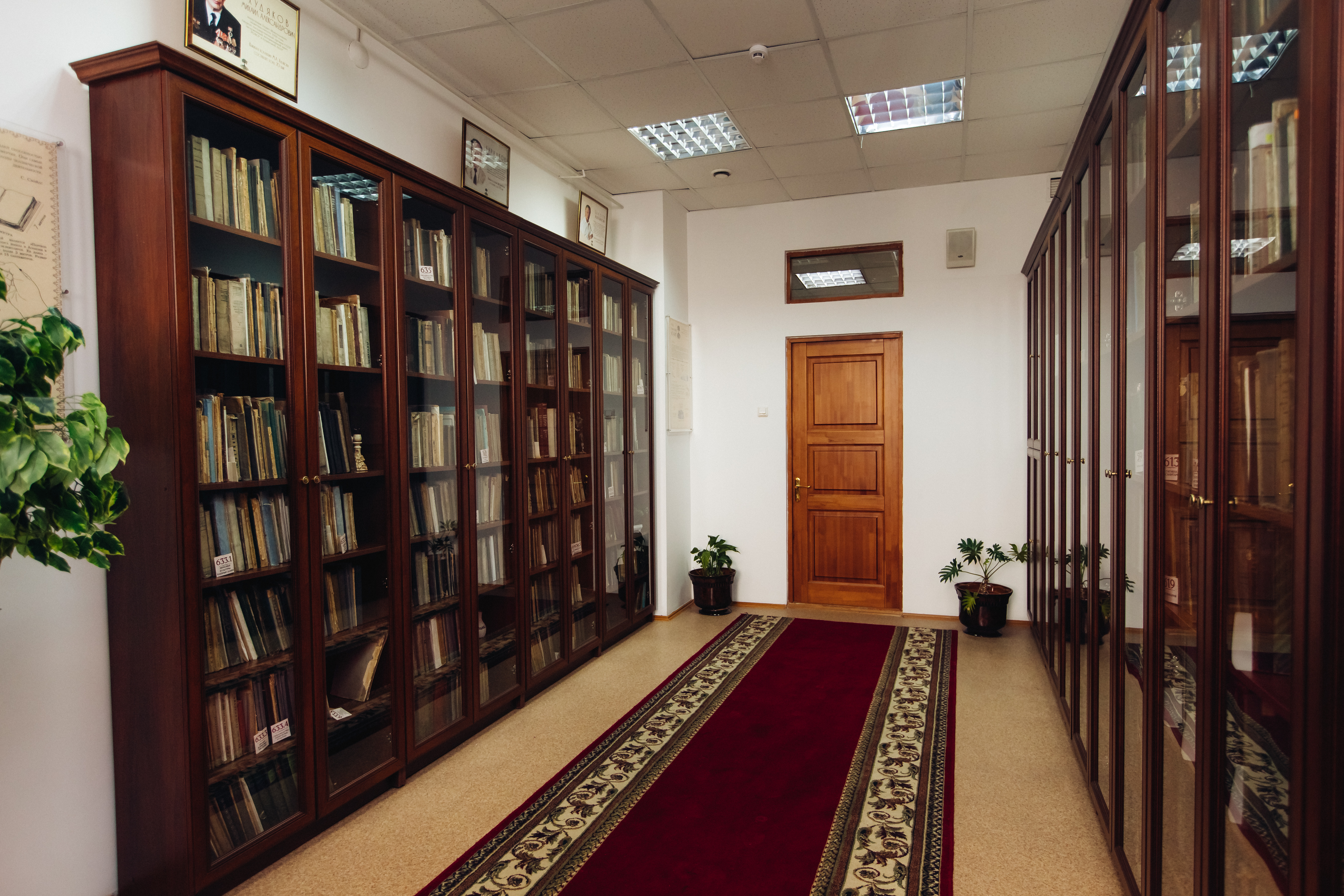
The faculty boasts one of the best material and technical bases in Eastern Siberia, with all necessary conditions created for the successful organization of the educational process, ensuring future specialists become professionally successful and in-demand.

Research at the Faculty of Veterinary Medicine is conducted on the theme: "Monitoring Veterinary Well-being and Producing Livestock Products of High Sanitary Quality", structured into 6 sections:

  • Species and Age Anatomy, Histology, and Physiology of Agricultural, Game Animals, and Birds.
  • Intensification of Animal Husbandry Using Nanobiotechnology Methods.
  • Immunobiological Reactivity in Animals under Normal and Pathological Conditions.
  • Prevention and Treatment of Diseases in Young Agricultural Animals, Fur-bearing Animals, and Birds using Natural Remedies, Protein Preparations, Composites, and Biologically Active Additives.
  • Monitoring, Diagnosis, Treatment, and Prevention of Associative Helminth-Bacterial Diseases in Domestic and Wild Animals in the Transbaikal Region.
  • Microbiological Monitoring of Pathogenic Microbes in the Lake Baikal Region.
  • Training of scientific-pedagogical staff is conducted through full-time and part-time postgraduate and doctoral programs within the faculty's established scientific schools: "Pathology, Oncology, and Morphology of Animals," "Diagnosis of Animal Diseases and Therapy," and
  • "Veterinary Well-being and Intensification of Animal Husbandry in the Republic of Buryatia."

Dean's Office Contacts

Address::
670024, Ulan-Ude, 8 Pushkin Street, Morphological Building
Working Hours:: 8:30 AM - 5:30 PM (Lunch break: 12:30 PM - 1:30 PM)

Research Lead on the Project: Doctor of Veterinary Sciences, Professor Tsyrempilov P.B.

Developers: Faculty, staff, postgraduates, and students of the Faculty of Veterinary Medicine.

Program Goals:

  • Develop formulations for biologically active feed supplements for animals and poultry derived from plant materials.
  • Study the therapeutic properties and evaluate the efficacy of these supplements for metabolic disorders and other non-communicable pathologies in various animal species, including poultry.
  • Scientifically substantiate and apply the obtained results in practical settings.
  • Apply innovative diagnostic methods and select the most effective and safe medicinal plants for treating and preventing non-communicable animal pathologies, based on the plant's pharmacological profile.
  • Develop methods for monitoring therapeutic efficacy and safety of plant-based raw materials.
  • Improve and develop effective biotechnological methods for stimulating and regulating the reproductive function in cows.
  • Investigate species-specific structural features and age-related changes in individual organs and systems of domestic, agricultural, and game animals.
  • Assess metabolic status and diagnose its disorders in animals.
  • Conduct monitoring studies and improve control measures for parasitic, infectious, and associative animal diseases.
  • Monitor domestic and wild animals for pathologies of helminth-bacterial and surgical etiology.
  • Study species and age-related features of macro- and micro-structure in salmonid fish of the Sakhalin region, their embryonic development at different prenatal ontogenesis stages, and pathomorphological changes during egg incubation and juvenile rearing.
  • Investigate foot rot in cattle in the Republic of Buryatia.
  • Prepare histological and pathohistological specimens using innovative technologies.
  • Determine the structure of animal diseases caused by environmental pollution and identify features of their clinical and morphological manifestations.
  • Study antimicrobial resistance and population variability of microorganisms.
  • Investigate relationships between macro- and microorganisms under normal conditions, in pathology, and during the dynamics of inflammatory processes, considering the influence of external and internal environmental factors.


Key Scientific, Technical, and Organizational Tasks:

  • Study metabolic processes in various animal species and the influence of bioactive supplements on the animal body under normal and pathological conditions.
  • Collect medicinal herbs and develop formulations for biologically active animal feed supplements.
  • Investigate problems of non-communicable animal pathology.
  • Monitor the main types of medicinal raw materials in the Baikal region.
  • Study the pharmacodynamics of medicinal plants as a source of biologically active substances.
  • Research the effects of natural remedies on the development of restorative/pathological processes in the animal body.
  • Study the influence of plant-based preparations on immune resistance when stimulating reproductive function.
  • Develop treatment and prevention schemes based on medicinal products.
  • Assess the safety of the studied natural medicinal products.
  • Study the prevalence of diseases with metabolic disorders in various animals, including poultry.
  • Conduct epizootiological zoning of the Republic of Buryatia, identify main areas of spread for contagious diseases, determine specific timelines for specific prevention of particularly dangerous bacterial infections considering regional features, and improve measures against contagious diseases in agricultural animals in the Republic of Buryatia.
  • Forecast the emergence and spread of contagious diseases.
  • Study morpho-functional features of salmonid fish organisms in normal and pathological states; implement new research methods and prepare histological/pathohistological specimens using innovative technologies.
  • Investigate morpho-functional features of animal and bird organisms influenced by environmental factors; study means and methods for treating and medicinally preventing infectious animal diseases.
  • Study natural antibiotics based on medicinal herbs.
  • Investigate the effects of antibiotics on the microbiocenosis of animal bodies and bacterial drug resistance.
  • Study species-specific structural features and age-related changes in individual organs and systems of domestic, agricultural, and game animals.

Dean's Office Contacts

Address::
670024, Ulan-Ude, 8 Pushkin Street, Morphological Building
Working Hours:: 8:30 AM - 5:30 PM (Lunch break: 12:30 PM - 1:30 PM)