On March 3, 2000, Ivan Anisimovich Kalashnikov (born 1958) was elected Dean of the Zootechnical Faculty in a competitive election. A 1980 graduate (with honors) of the Zootechnical Faculty of the Buryat Agricultural Institute, he became, at 38, the youngest Doctor of Science in Zootechnics in Russia and the youngest Doctor of Science at the Buryat State Agricultural Academy. He is a Professor and Honored Worker of the Agro-Industrial Complex of the Republic of Buryatia.

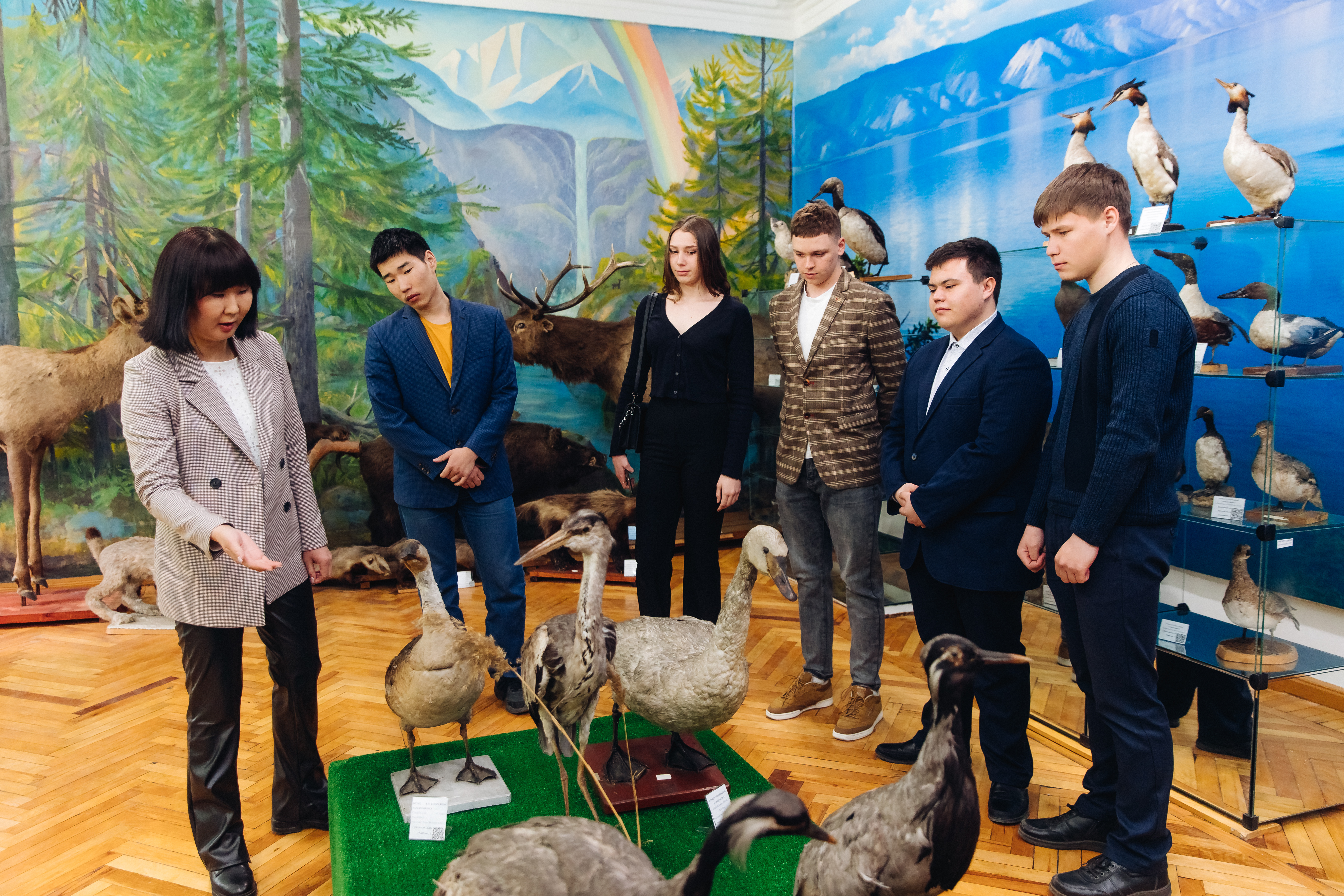
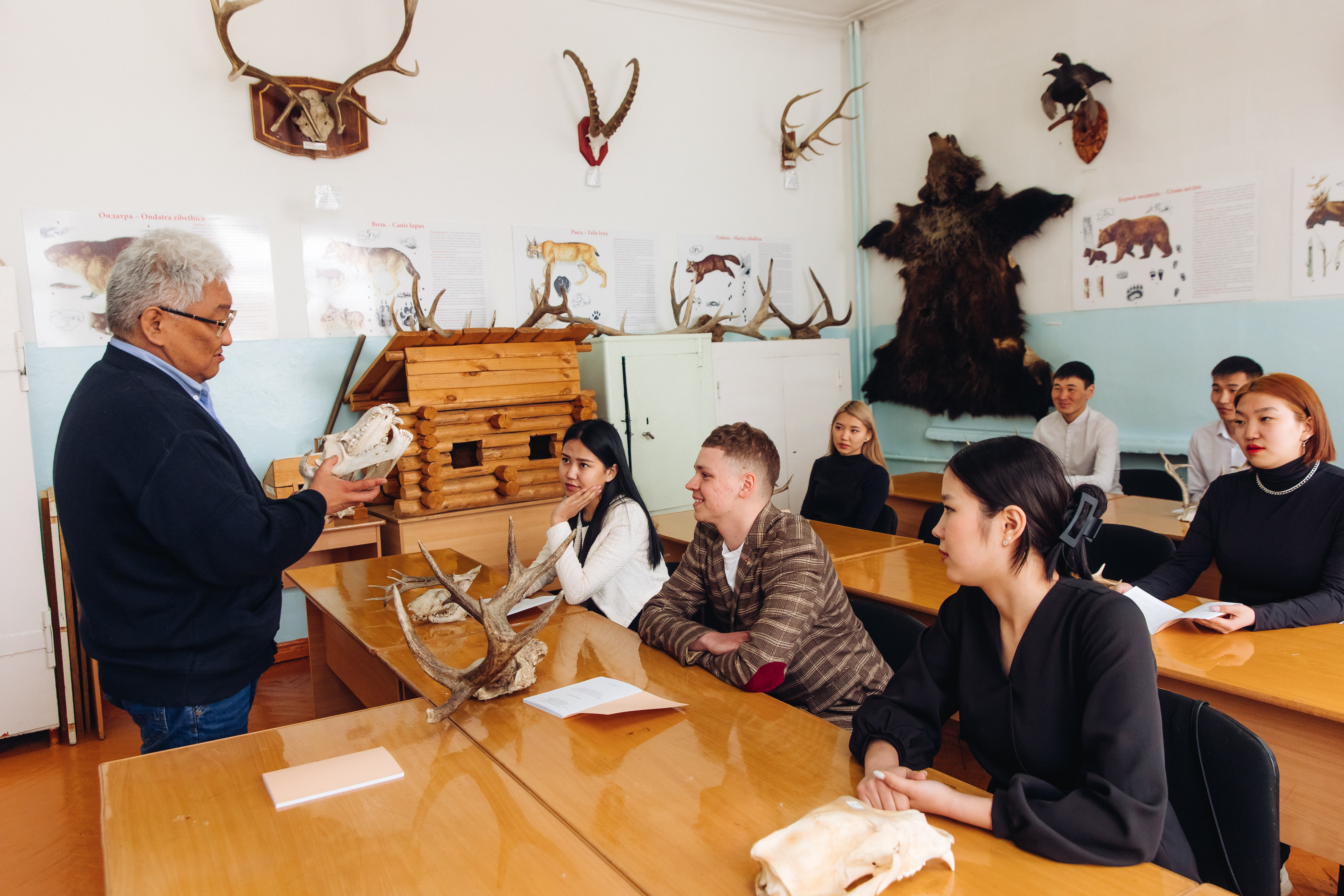
In 2003, a specialization in "Game Management" was established within the "Zootechnics" degree program. In the spring of 2005, following proposals from the departments, the dean's office, and the faculty's academic council, the Academy's Academic Council decided to rename the Zootechnical Faculty to the Technological Faculty.

In 2005, Konstantin Vladimirovich Luzbaev, Candidate of Agricultural Sciences and Associate Professor, a 1991 graduate of the Zootechnical Faculty, was elected Dean of the Technological Faculty.

From its foundation until 2006, the faculty held 63 graduation ceremonies, training 4,577 zootechnicians, scientific zootechnicians, and zootechnical engineers through full-time and part-time programs.

The Technological Faculty is the oldest faculty of the academy, existing since the university's opening in 1931. Its history is closely intertwined with the development of zootechnical science in Russia and Buryatia.

Over the years, the faculty has been home to outstanding scientists such as R.P. Pildanov, M.N. Balkov, V.N. Madadaev, M.A. Dulbeeva, M.S. Ivanov, K.E. Ilyin, K.T. Munkoyev, and V.A. Turushev, who made significant contributions to the development of agriculture in the Republic of Buryatia and Russia.

Throughout its history, the faculty has graduated over 6,000 specialists working across the country. Many have become scientists, leaders in regional administrations and enterprises, and politicians.

Current Profile and Programs
Today, the faculty enrolls students in the following areas:

  • Biology
  • Aquatic Bioresources and Aquaculture
  • Zootechnics
  • Technology of Production and Processing of Agricultural Products
  • A Master's program in "Zootechnics" is also available and actively functioning. Students have the opportunity to undertake internships and practical training in Western Europe, South Korea, China, and Mongolia.

For many years, the faculty has maintained postgraduate studies (aspirantura) and a Dissertation Council for defending candidate and doctoral theses.

Leadership

  • 2000-2005: Doctor of Agricultural Sciences, Professor I.A. Kalashnikov
  • 2005-Present: Candidate of Agricultural Sciences, Associate Professor K.V. Luzbaev

Faculty Structure and Facilities
The faculty comprises four departments and several facilities:

  • The "Delta" educational and production base, located on Lake Baikal (Inkino village)
  • An educational apiary
  • An equestrian sports section
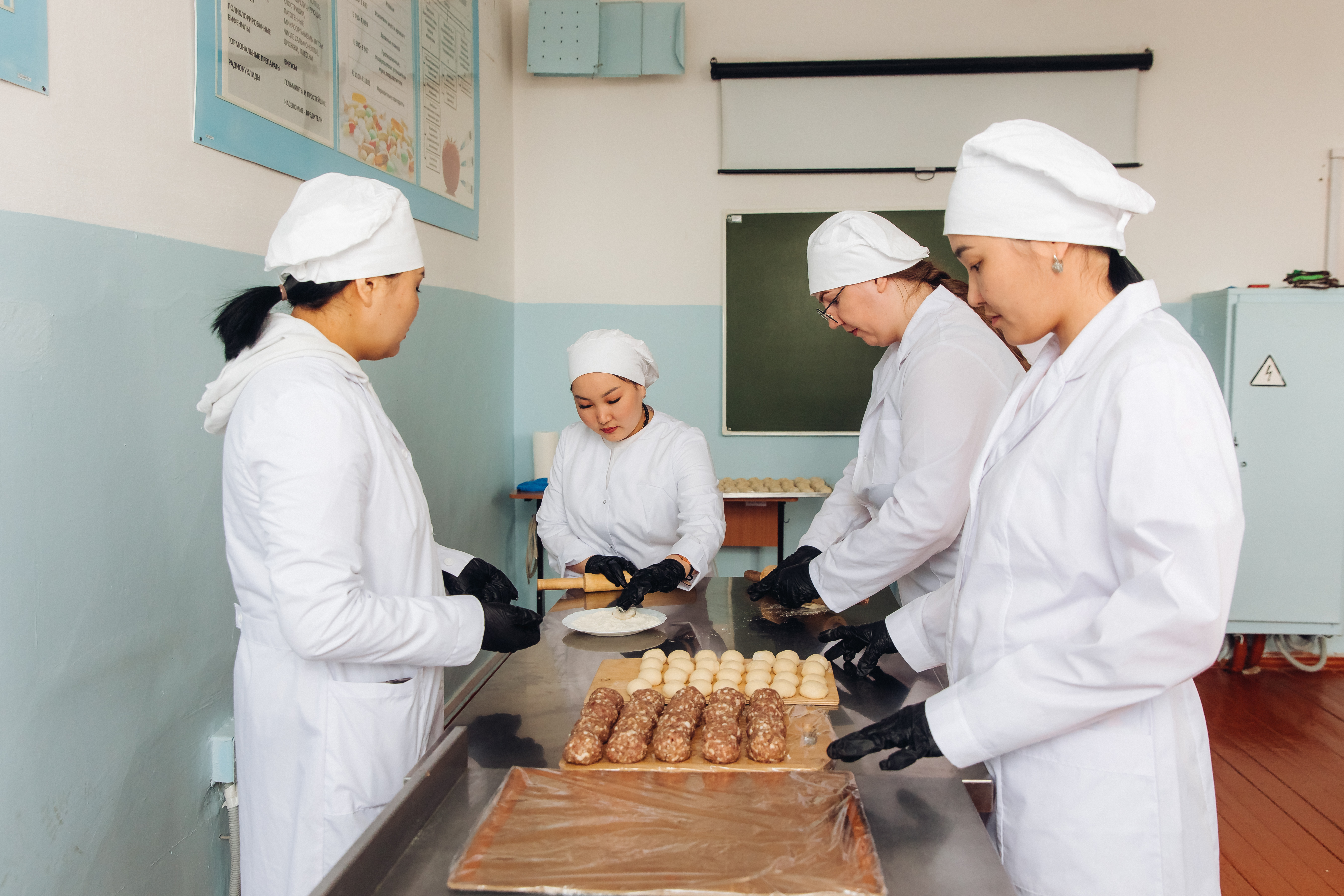
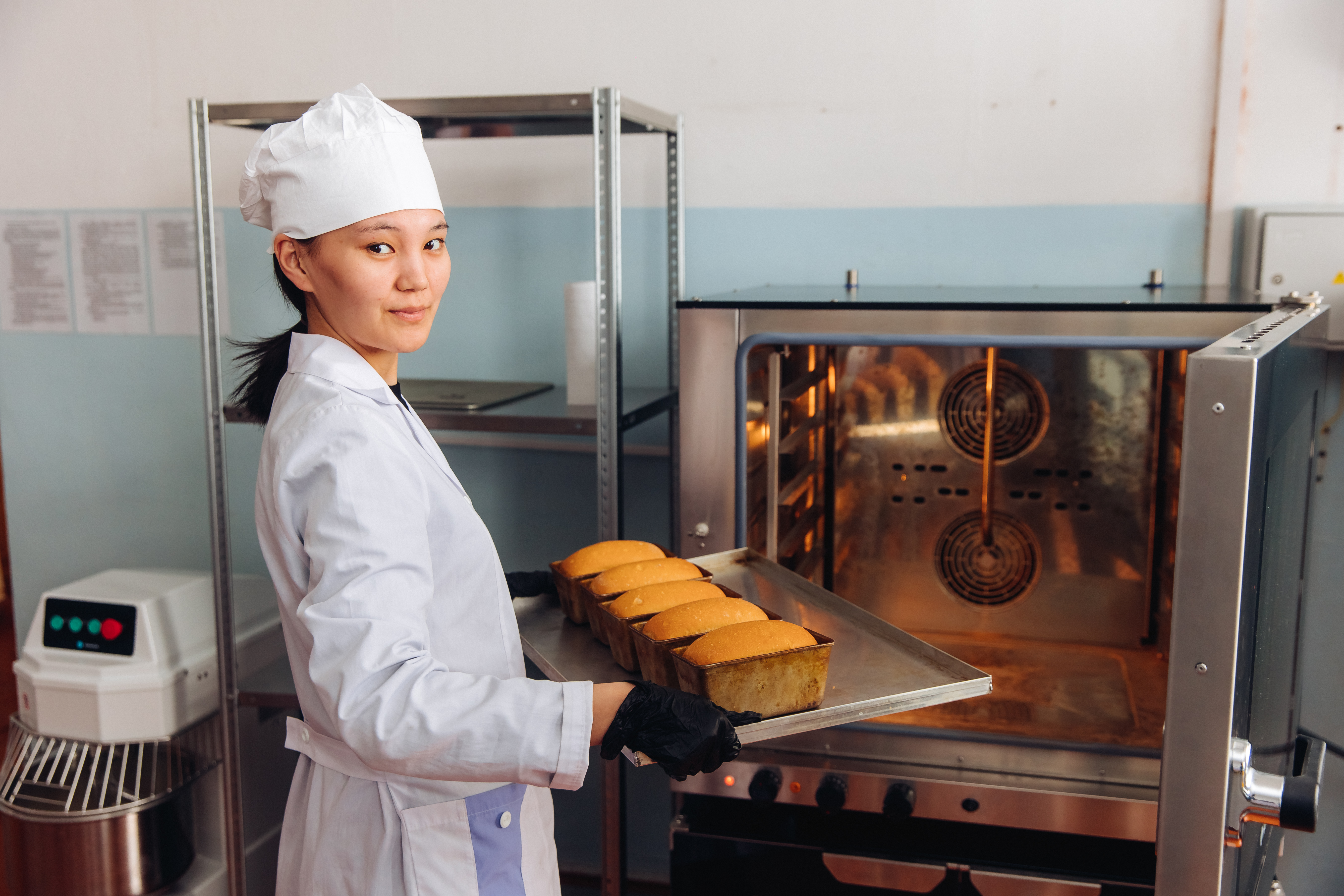
  • The "Technolog" Educational-Scientific Production Complex, which is engaged in meat processing and the production of meat products.
Contacts

Address::
670024, Ulan-Ude, 8 Pushkin Street
Working Hours:: 8:30 AM - 5:30 PM (Lunch break: 12:30 PM - 1:30 PM)

The Zootechnical-Zooengineering-Technological Faculty is the founding faculty of the V.R. Filippov Buryat State Agricultural Academy, marking the beginning of the academy's history. In 1935, nine departments were established within the Buryat-Mongolian Zootechnical and Veterinary Institute (B-MZVI).

Key early departments included:

The Department of Biochemistry and Zooanalysis, renamed in spring 1936 as the Department of Biochemistry and Physiology, headed by F.A. Chirkin.
The Department of Agricultural Animal Feeding, headed by V.G. Lazarev.
The Department of Agricultural Animal Breeding and Genetics (renamed in spring 1936 as the Department of Special Zootechnics), headed by Associate Professor A.V. Misharov.
In July 1936, the institute's administration requested specialists in seven disciplines from the Main Directorate of Universities of the USSR People's Commissariat of Agriculture to staff the faculty. Staffing challenges were addressed by inviting lecturers from other universities and cities. Key appointments in September 1936 included F.F. Epanchintsev as Head of the Department of Special Zootechnics and V.Ya. Suetin as Head of the Department of Normal Physiology.

The first graduation of livestock specialists with higher education occurred in the 1936/37 academic year. On January 13, 1937, three graduates received First-Class Diplomas, with twelve others receiving Second-Class Diplomas.

The year 1937 was particularly difficult, with low student intake and internal debates about the faculty's value and future. The political repressions of 1937 also affected the institute, leading to arrests and dismissals.

The second and third graduations took place in October 1937 and autumn 1938, respectively, producing new specialists, some of whom later joined the faculty as staff or pursued academic careers.

The outbreak of World War II on June 22, 1941, led to the institute's closure on October 1, 1941. Many students and staff were called to service, while others were transferred to other institutions.

The institute was revived in January 1944 under the leadership of T.M. Omelchenko. The first postwar graduation of zootechnicians (the sixth overall) took place in 1948.

Until 1952, the institute remained small, with only two faculties. The need for agricultural development in Siberia and the Far East led to a significant expansion, including increased student intake and the opening of new faculties: Agronomy (1952), Correspondence Studies (1955), Technology (1955), Agricultural Mechanization (1961), and Economics (1965).

Significant contributions to the faculty's development were made by early leaders like M.N. Balkov. The role of the deans has been crucial throughout the faculty's history.

Deans of the Faculty (Historical Overview):

1938: V.M. Kuznetsov
1939-1940: F.A. Chirkin
1947-1948: V.R. Filippov (also headed the Veterinary Faculty)
Early 1950s: M.S. Ivanov
1959: V.N. Madadaev
1962-1965: K.D. Mironov
1969: K.T. Munkoev
1974: V.U. Khalbayev
1976: S.N. Baldaev
1980-1985 & 1990-1994: Ts.S. Shambayev
1985: N.V. Starikov
1995: A.I. Kofanov
2000: I.A. Kalashnikov
In 1995, a new specialty, "Technology of Production and Processing of Agricultural Products," was opened. In 2003, a specialization in "Game Management" was established based on the "Zootechnics" specialty.

In 2005, following a substantiated proposal, the faculty was renamed the Technological Faculty.

The current dean is Associate Professor Vladimir A. Achituyev, a faculty graduate (2001).

Current Structure and Programs:
The faculty comprises four departments:

  • Biology and Biological Resources
  • Breeding and Feeding of Agricultural Animals
  • Technology of Production, Processing and Standardization of Agricultural Products
  • Special Zootechnics and Technology of Livestock Production


These departments deliver four higher education programs:

  • Biology
  • Aquatic Bioresources
  • Zootechnics
  • Technology of Production and Processing of Agricultural Products

The faculty is actively engaged in extensive research, including international programs.

Contacts

Address::
670024, Ulan-Ude, 8 Pushkin Street
Working Hours:: 8:30 AM - 5:30 PM (Lunch break: 12:30 PM - 1:30 PM)

Development of Innovative Technologies for Agricultural Production and Processing Based on the Preservation and Utilization of Genetic Resources of Native and Improved Breeds in the Ecological Zone of the Baikal Region

The research work of the Technological Faculty addresses this topic through the following key directions:

Chapter 1. Preservation, Breeding, and Utilization of Genetic Resources of Improved and Native Animal Breeds in the Baikal Region
Chapter 2. Modern Technologies for the Production and Processing of Agricultural Products
Chapter 3. Production of Sheep, Swine, and Poultry Products Based on Resource-Saving Technologies
Chapter 4. Sustainable Use of Biological Resources and Production of Eco-Friendly Products from Game Management, Fisheries, and Livestock Farming in the Baikal Region

Research Objectives:

  • To preserve, selectively breed, and utilize the genetic potential of improved and native animal breeds in the Baikal region.
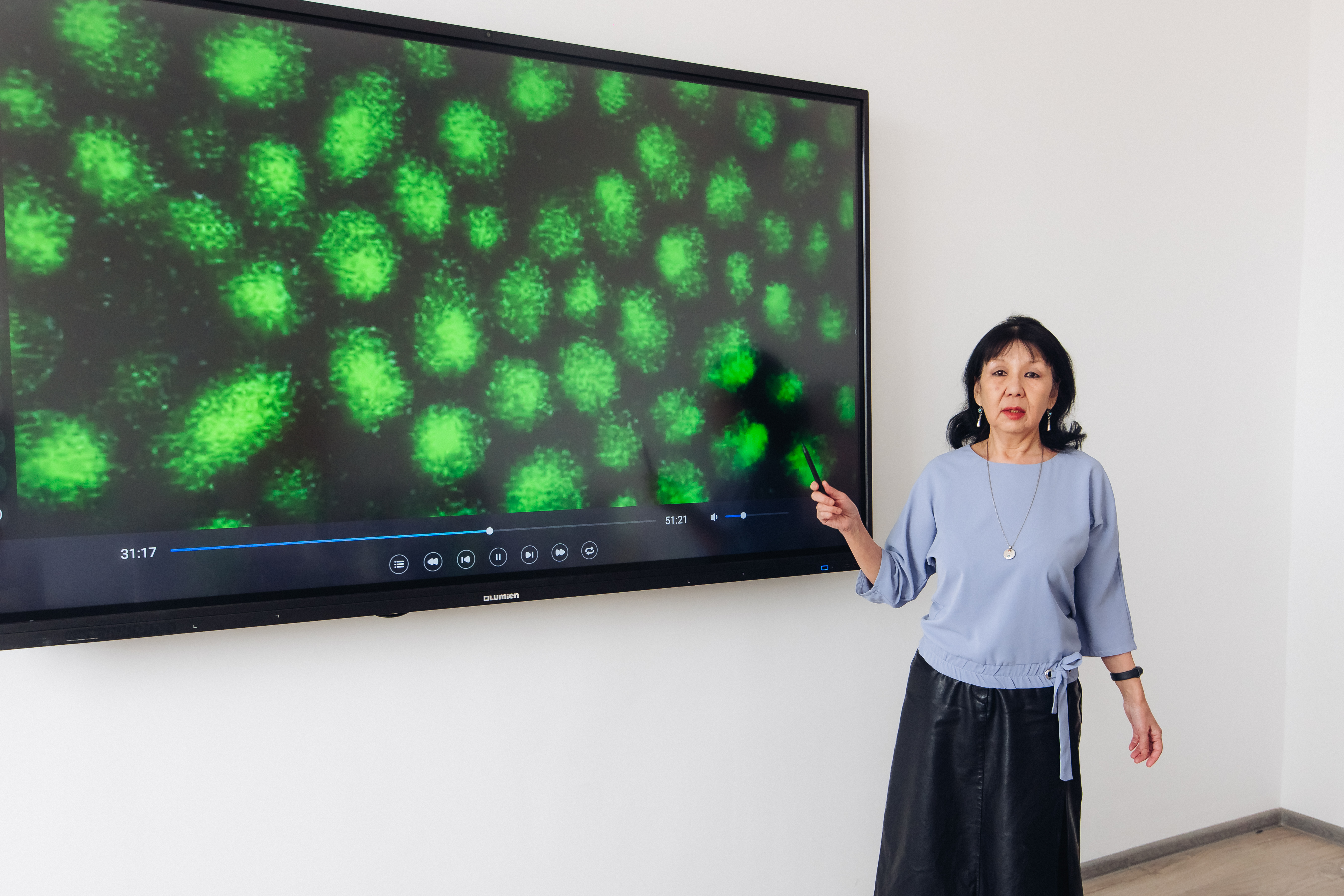
  • To develop innovative technologies for agricultural production, including biotechnological and biochemical aspects of raw material processing and food production.
  • To establish resource-efficient production systems for sheep farming.
  • To develop, test, and implement new feed additives incorporating novel bio-elements.
  • To investigate genetic and paratypic factors influencing the productive lifespan of animals.
  • The primary focus of this research is to contribute to the scientific and technological development of the Baikal Region. It aims to identify key strategic directions and pathways for collaborative action among agricultural enterprises, scientific institutions, and educational organizations.

Contacts

Address::
670024, Ulan-Ude, 8 Pushkin Street
Working Hours:: 8:30 AM - 5:30 PM (Lunch break: 12:30 PM - 1:30 PM)

This section outlines the student activity structure and support system within the Technological Faculty for the 2025-2026 academic year.

1. Student Council Annual Plan: Key Highlights

The Technological Faculty Student Council has a full calendar of activities designed to foster community, academic success, and personal development.

  • Orientation & Integration (September): Elections, dormitory move-in support, introduction to sports clubs and creative ensembles, Freshmen Spartakiad, and initiation ceremony.
  • Academic Support: Regular group meetings on academic performance, monthly attendance reviews, and preparatory sessions for examination sessions.
  • Cultural & Creative Life: Participation in university-wide contests like "Debut," "Starfall," and the "Student Spring" festival. Organization of thematic holidays and recitation competitions.
  • Sports & Community: Volleyball tournaments for dormitory residents, participation in the traditional "Surkharban" sports festival, and campus cleanup/greening days.
  • Civic Engagement: Collaboration with the "We Together" headquarters and assistance in organizing meetings with law enforcement and healthcare professionals.

Each student group is supported by a dedicated team of faculty members who provide academic guidance and personal support.

The faculty is committed to ensuring every student has the necessary support to succeed academically and thrive in campus life.

Contacts

Adress::
670024, Ulan-Ude, 8 Pushkin Street
Working Hours:: 8:30 AM - 5:30 PM (Lunch break: 12:30 PM - 1:30 PM)