Buryatia: The Heart of Baikal
click to watch the video

Buryatia: The Heart of Baikal

facts about buryatia

Buryatia – A Land of Exceptional Natural Beauty and Wealth

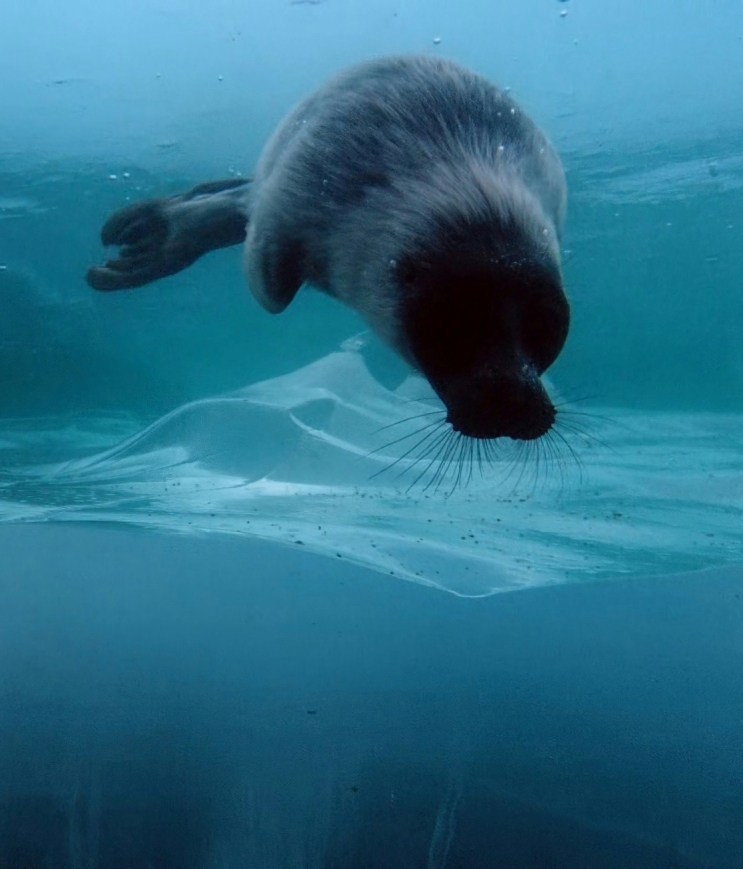
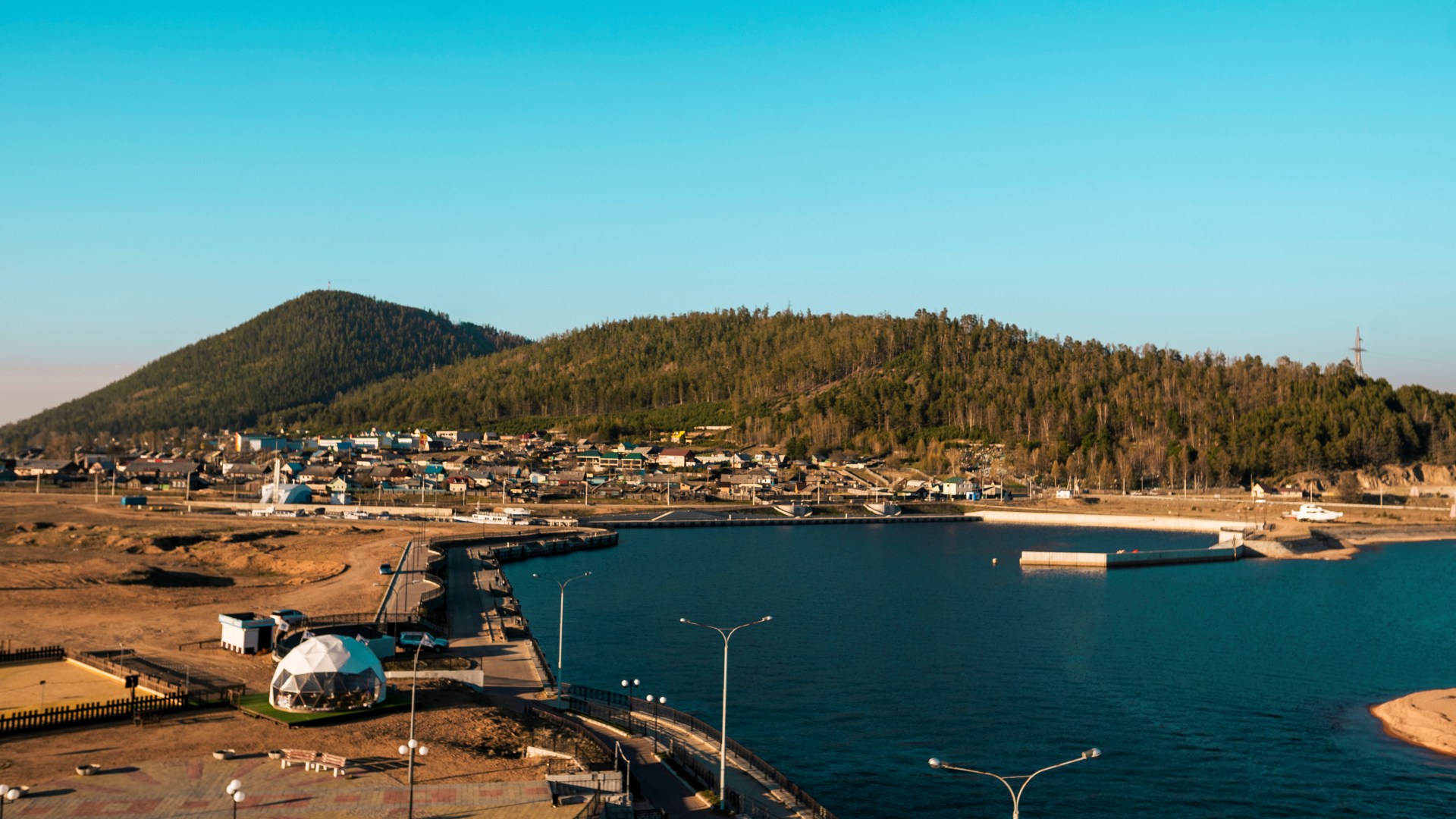
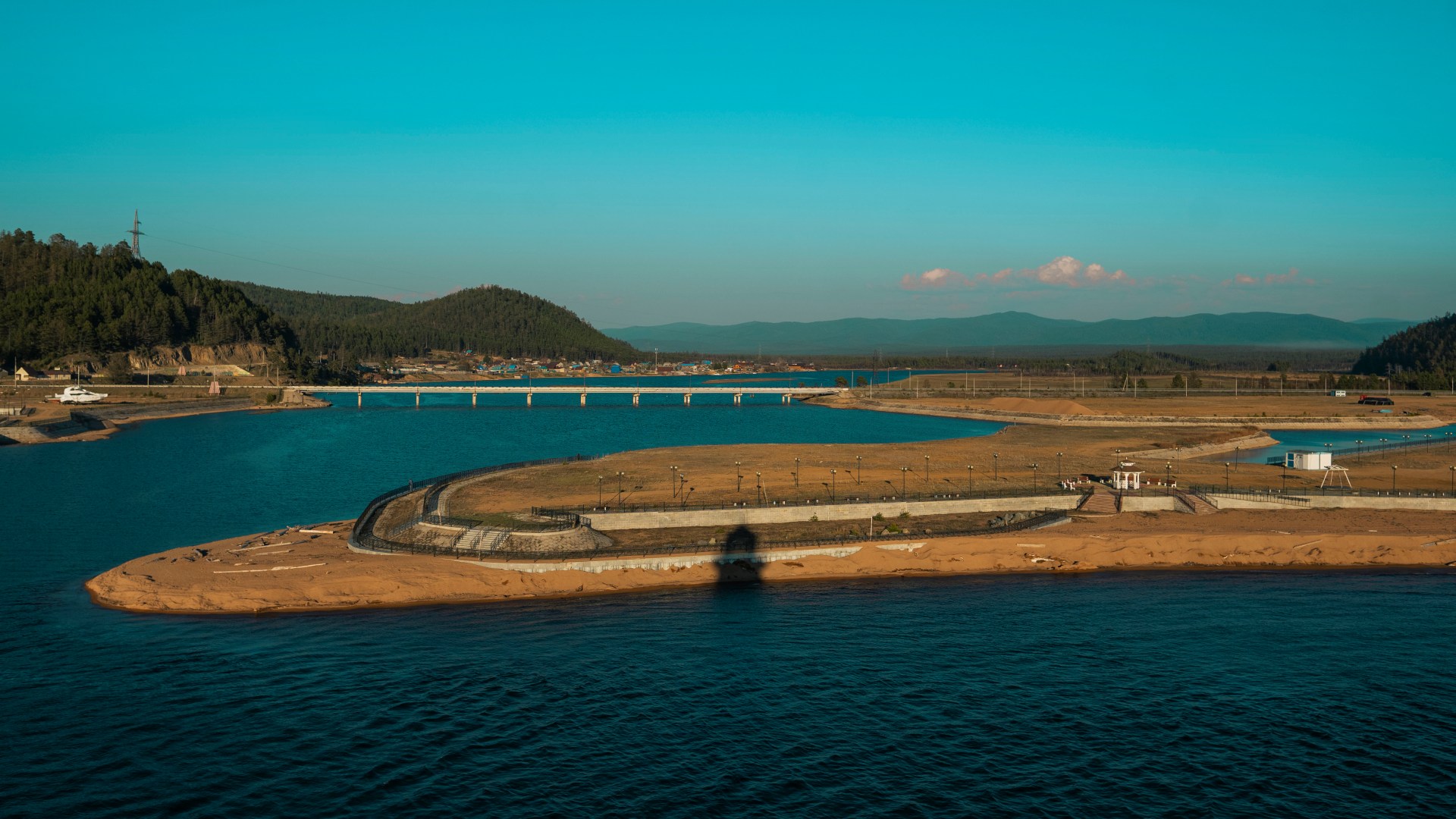
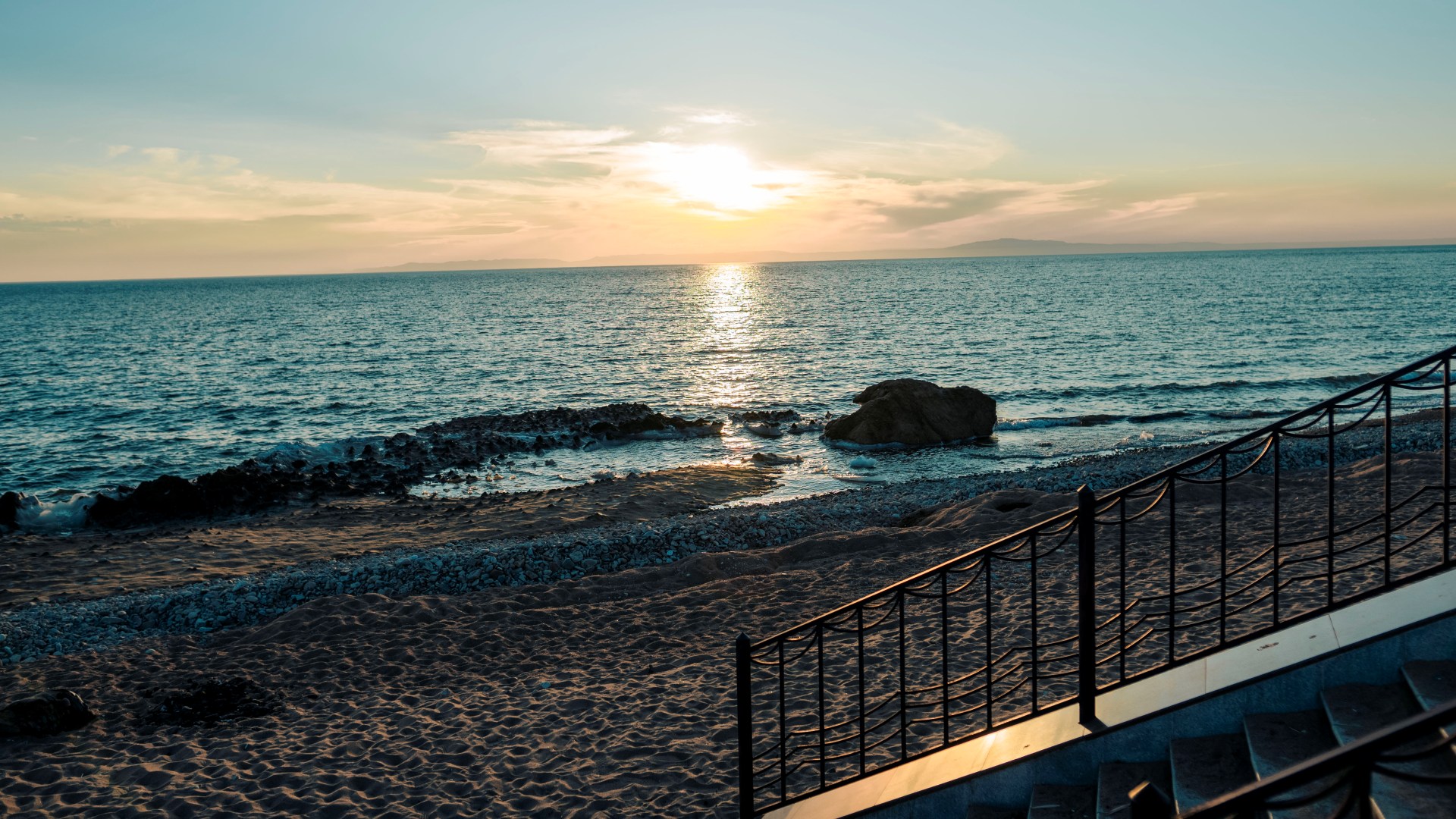
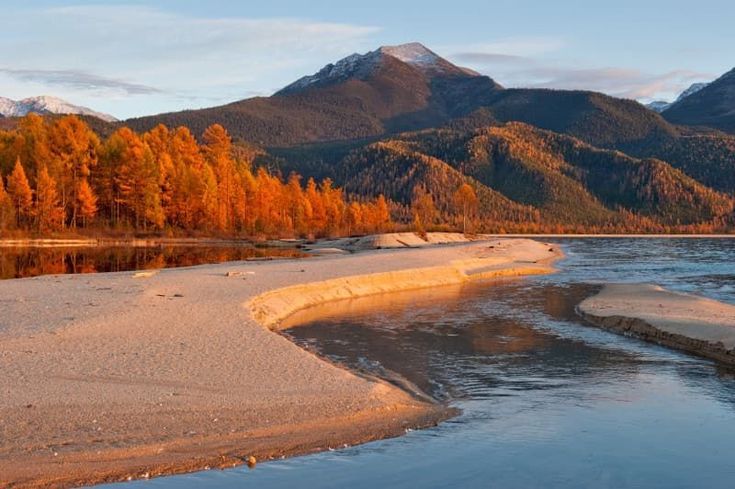
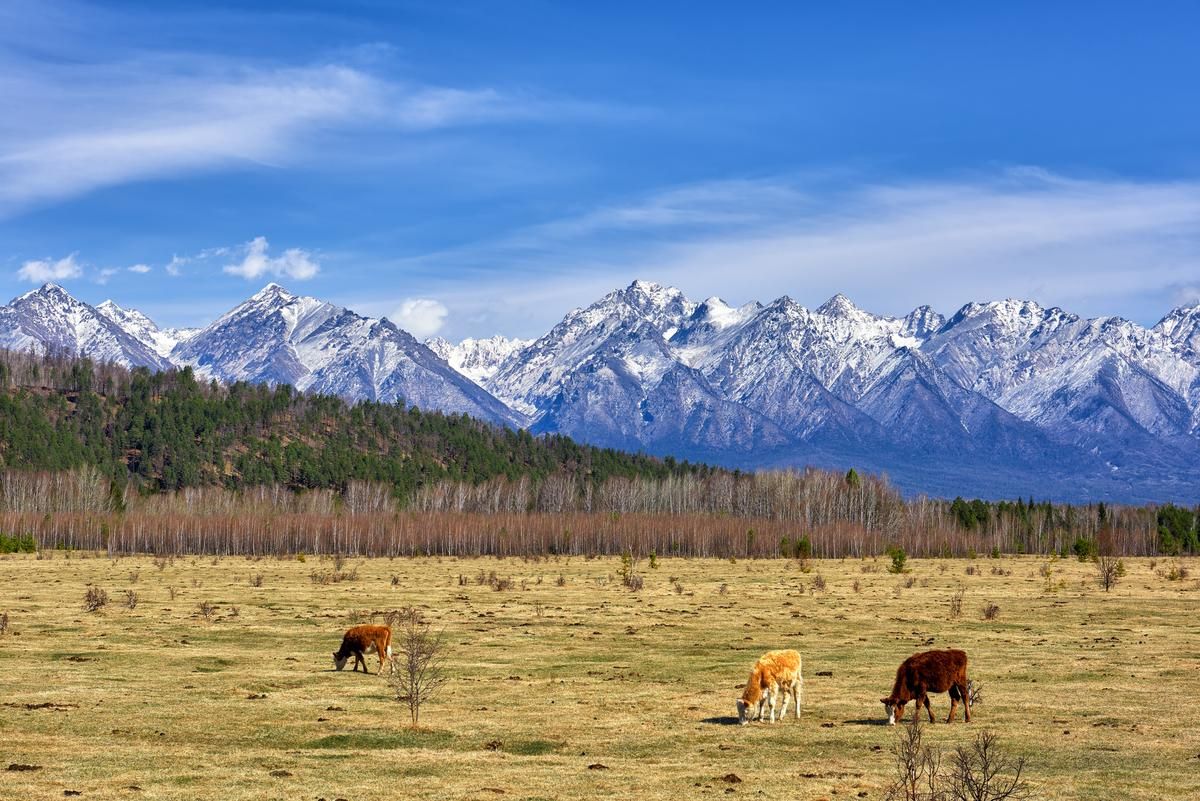
A region as vast as it is filled with myths, legends, places of power, and simply enchanting views. Here, you can easily encounter reindeer and yaks, camels and Baikal seals, climb mountain peaks, and bathe in open-air hot mineral springs

History and Culture

  • In the 1920s, the republic was known as the Buryat-Mongolian Autonomous Soviet Socialist Republic.
  • Buryat lands were part of the Rouran Khaganate, the Mongol Empire, and the Northern Yuan Dynasty.
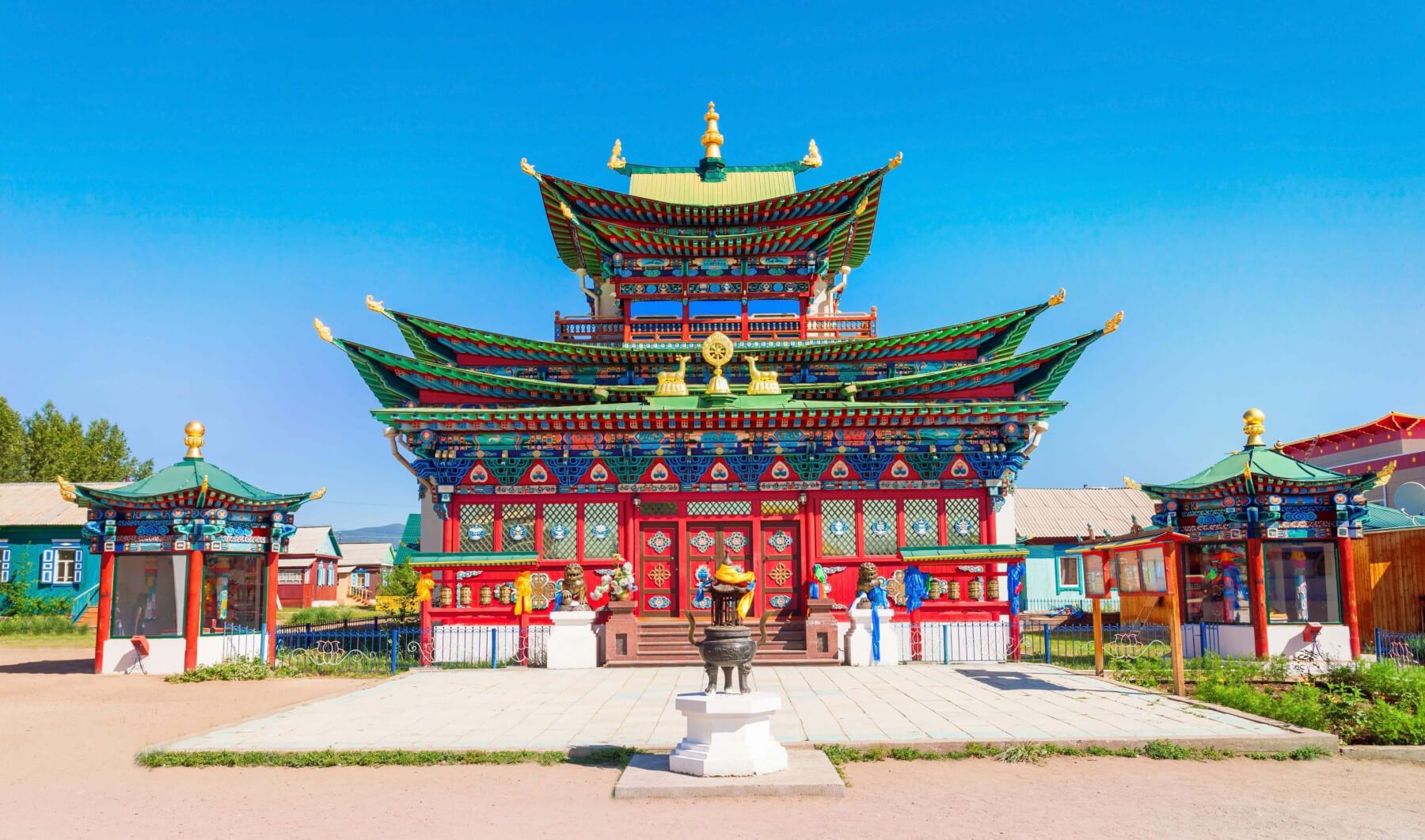
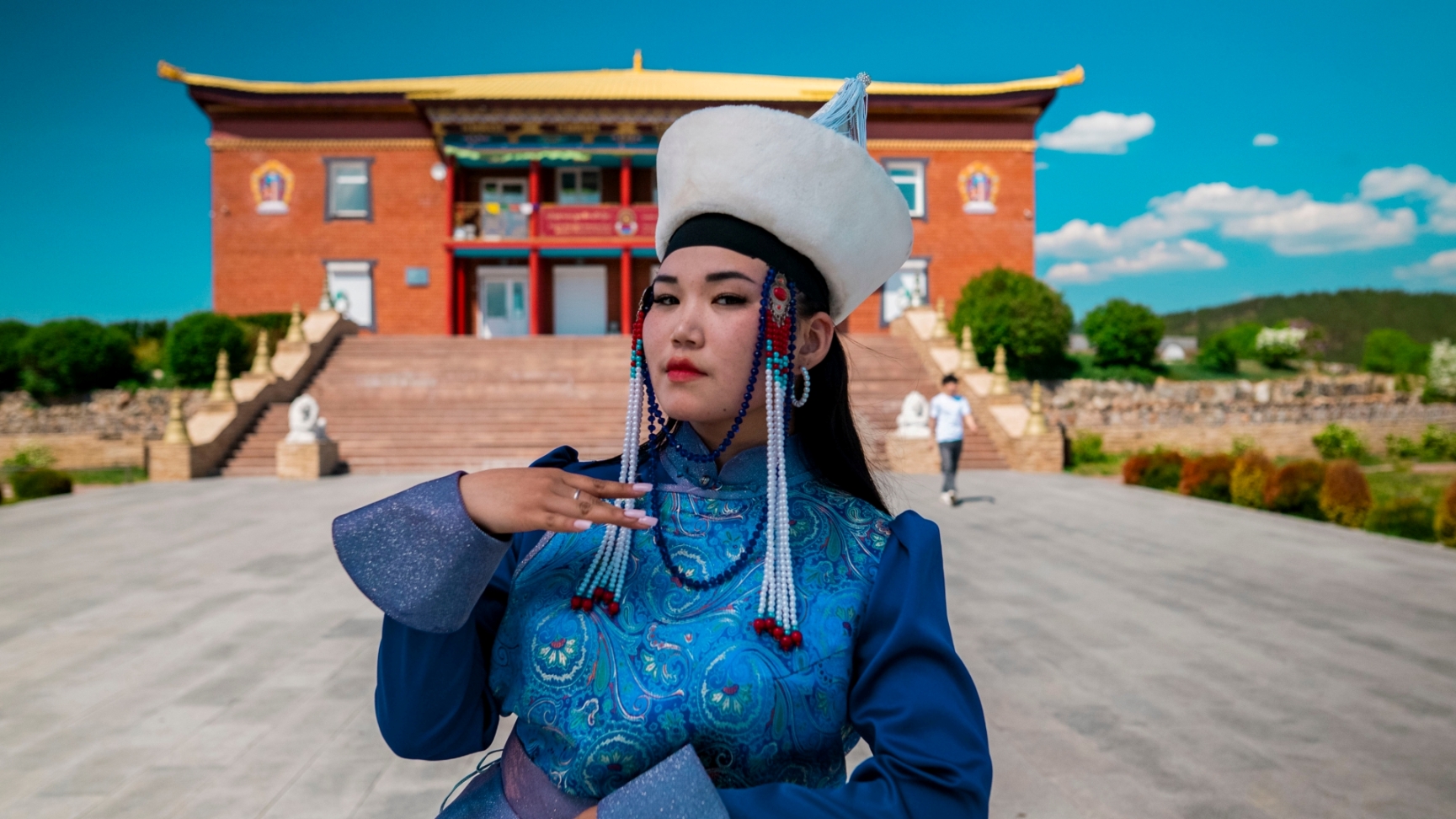
  • Buddhism is widely practiced, having spread from Mongolia in the 17th century throughout Transbaikalia.
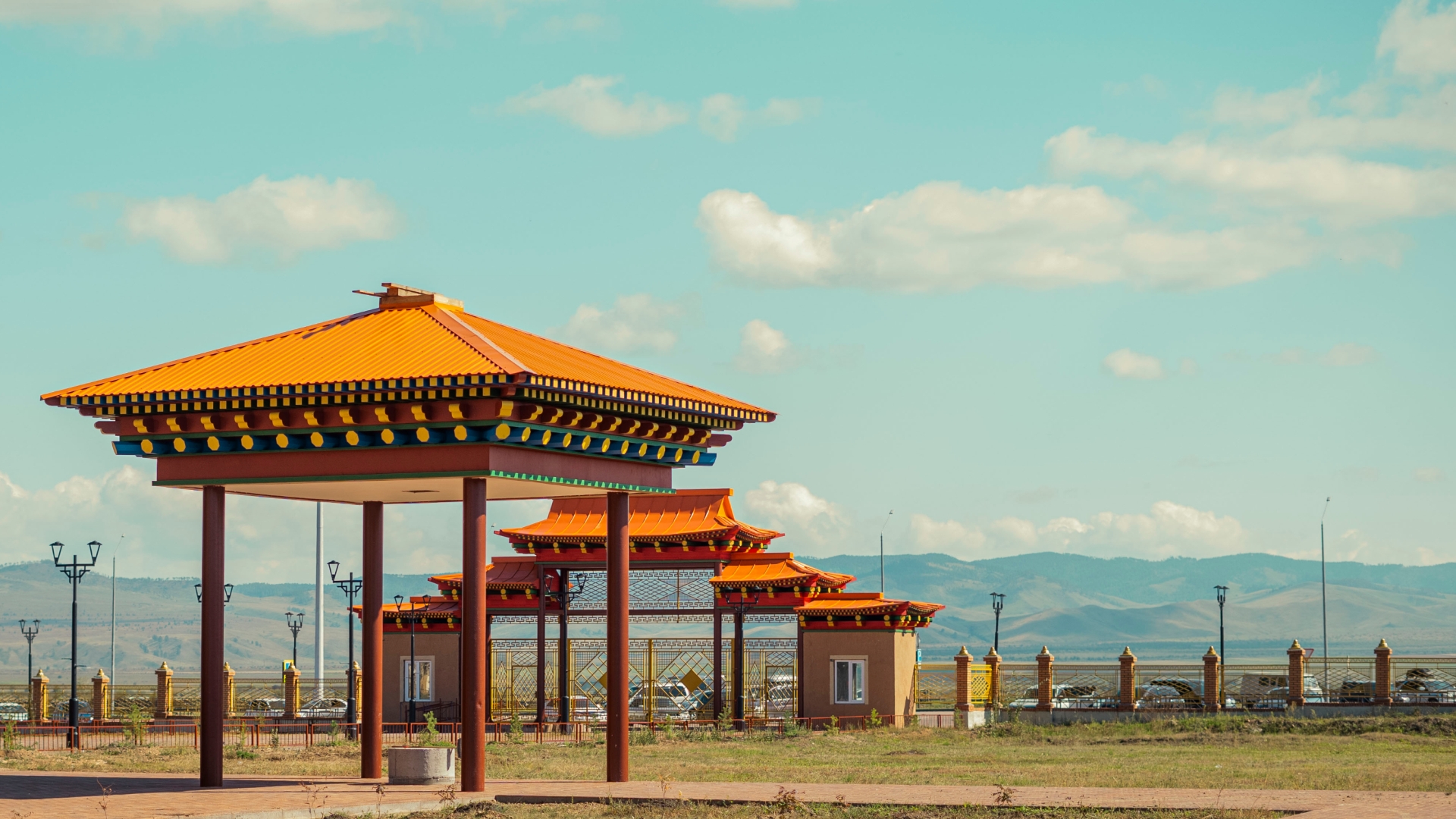
  • Cultural landmarks include stupas (suburgans) along roads and traditional offering practices.
  • The Buryat language holds official status in the republic.

History and Culture

Geography and Capital

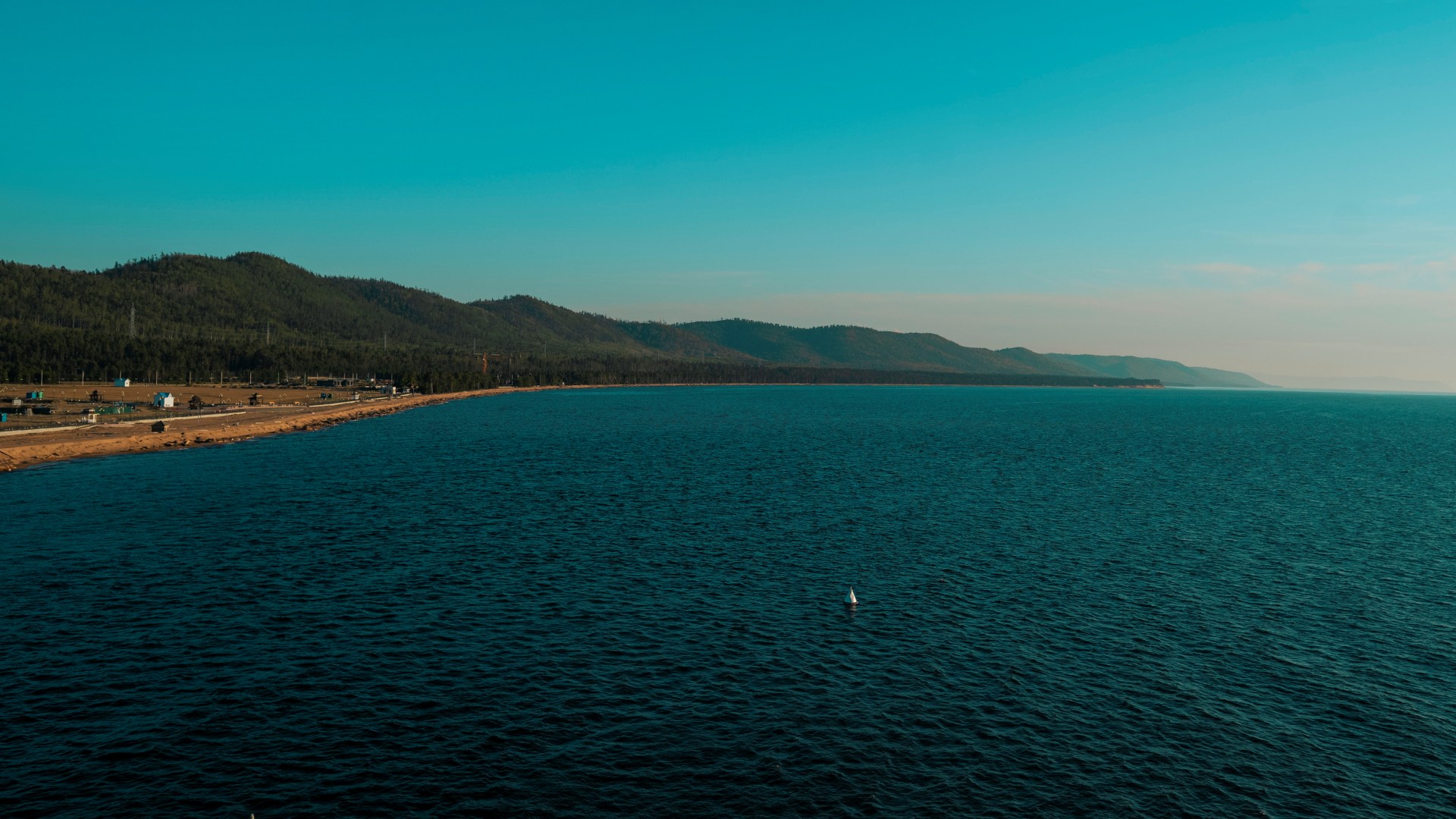
  • The republic is located on the eastern shore of Lake Baikal, with Irkutsk Oblast lying on the western shore.
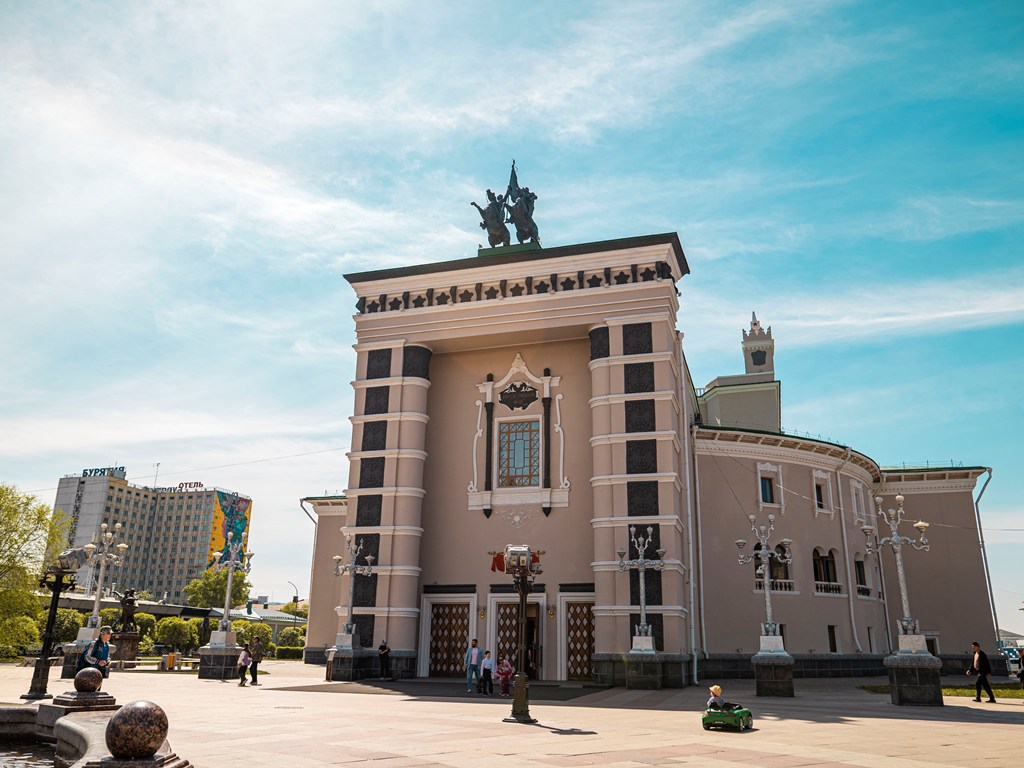
  • Ulan-Ude has been the capital throughout the republic's history.
  • Buryatia's territory is nearly three times larger than Greece.
  • Some districts have climate conditions equivalent to the Far North.
  • Buryatia enjoys more sunny days than southern Russia.

Geography and Capital

Nature and Climate

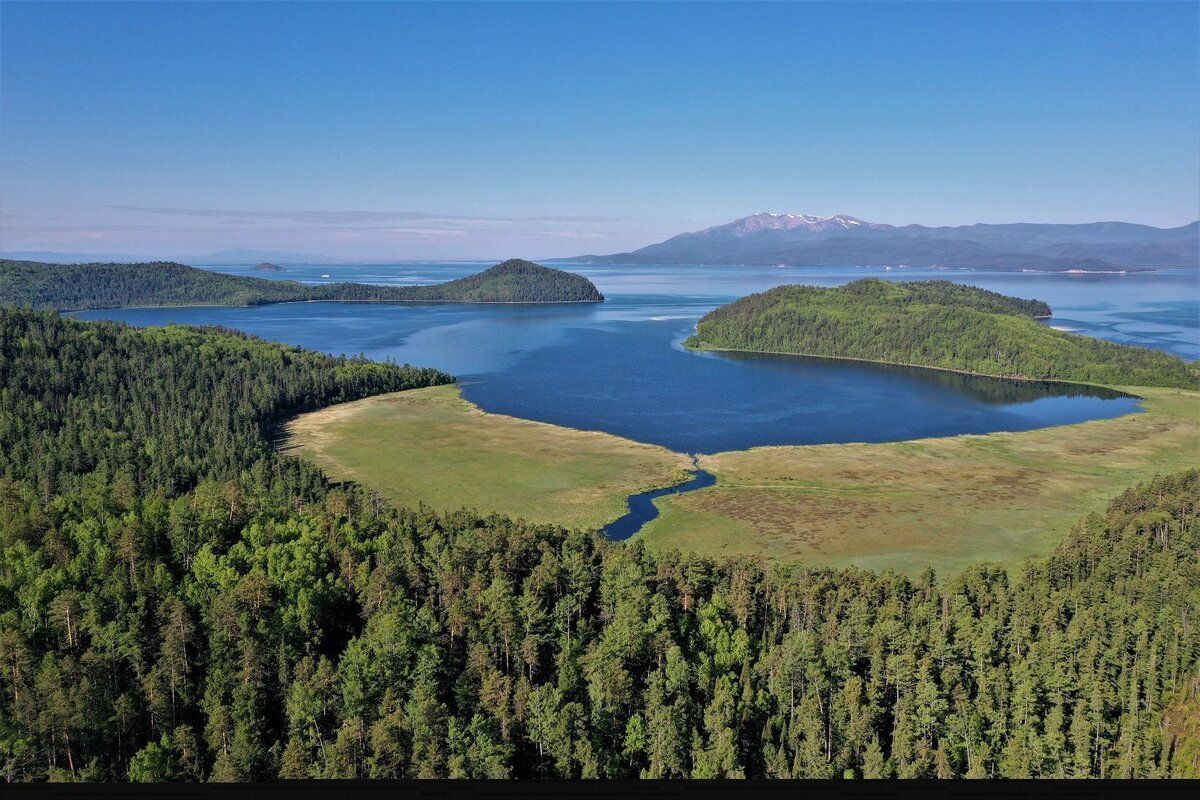
  • 83% of the territory is forested.
  • Home to 2 nature reserves, 3 national parks, and 13 wildlife sanctuaries.
  • Hosts over 440 species of terrestrial vertebrates.
  • Features only 6 amphibian and 7 reptile species.
  • The Severomuysky Tunnel is the longest in Russia.
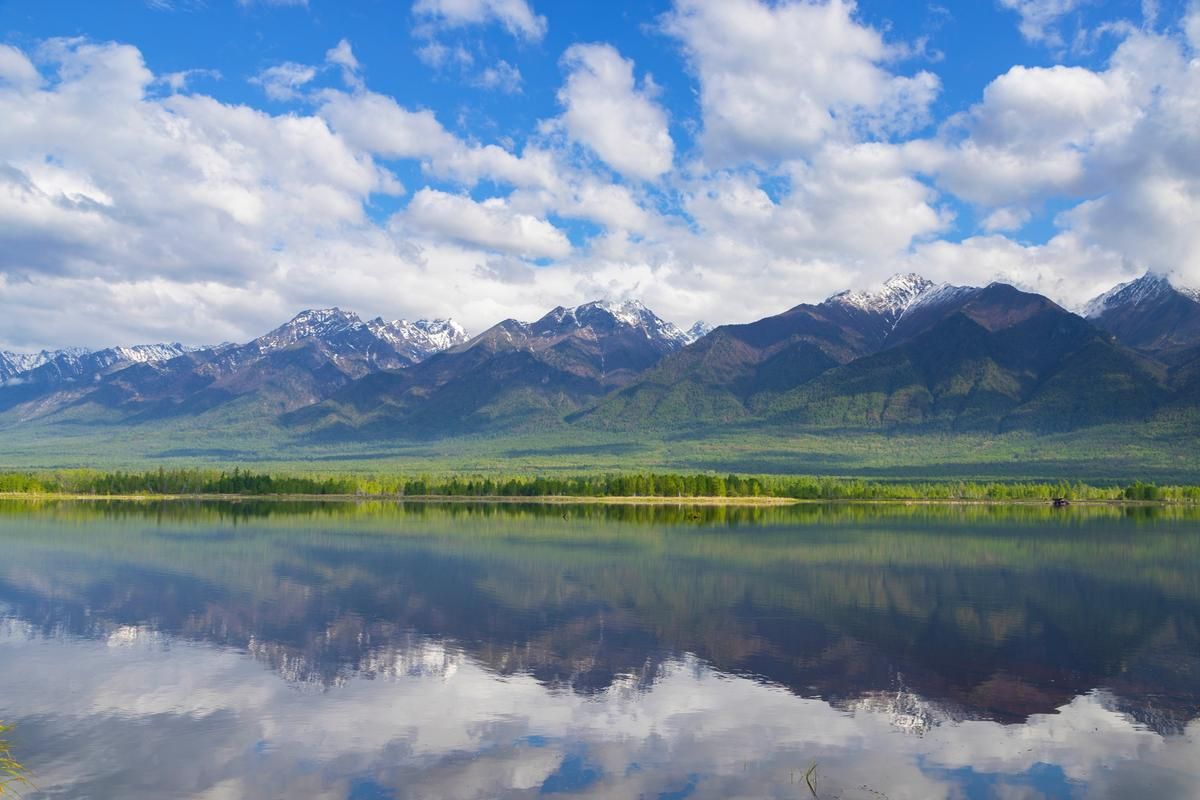
  • Contains over 30,000 rivers and 35,000 lakes, with just 25 classified as large or medium-sized.
  • Total river length reaches 150,000 kilometers.
  • Over 60% of Lake Baikal's coastline lies within the republic.

Nature and Climate

Mineral and Natural Resources

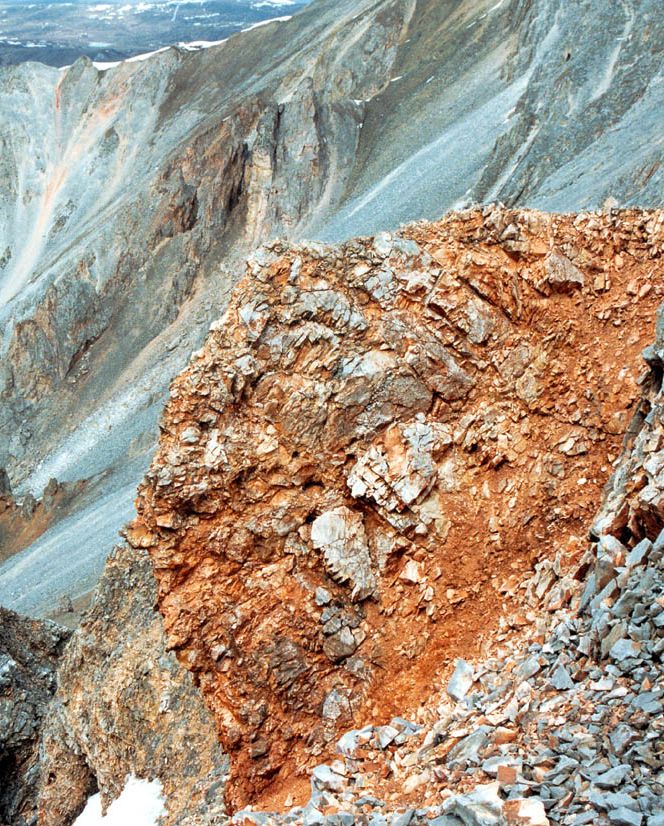
  • More than 700 mineral deposits.
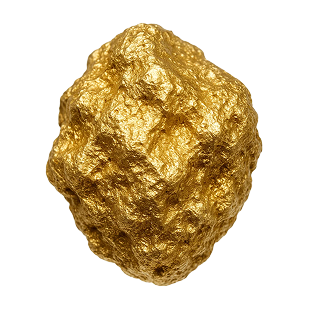
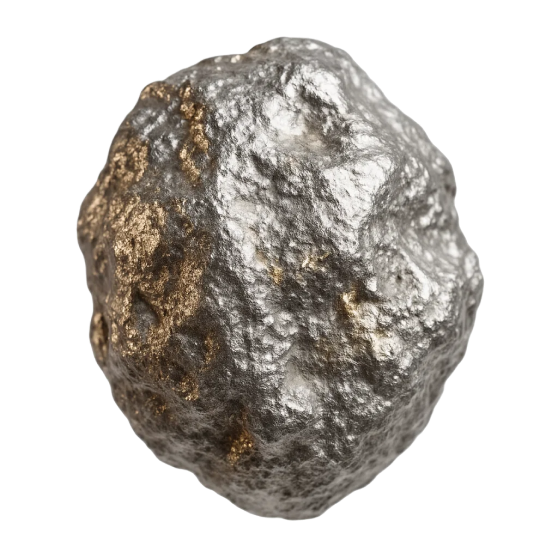
  • 247 gold deposits.
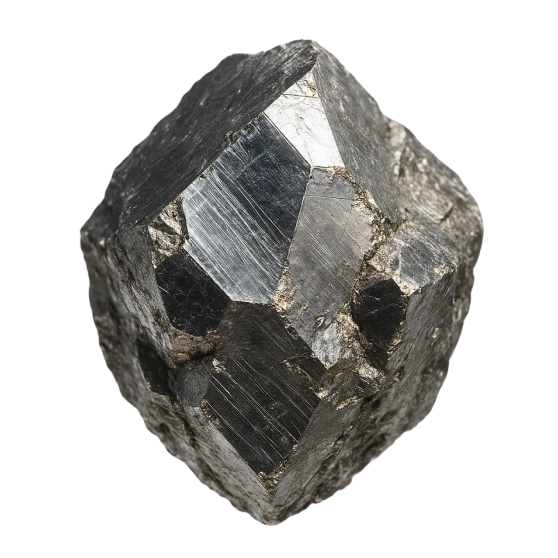
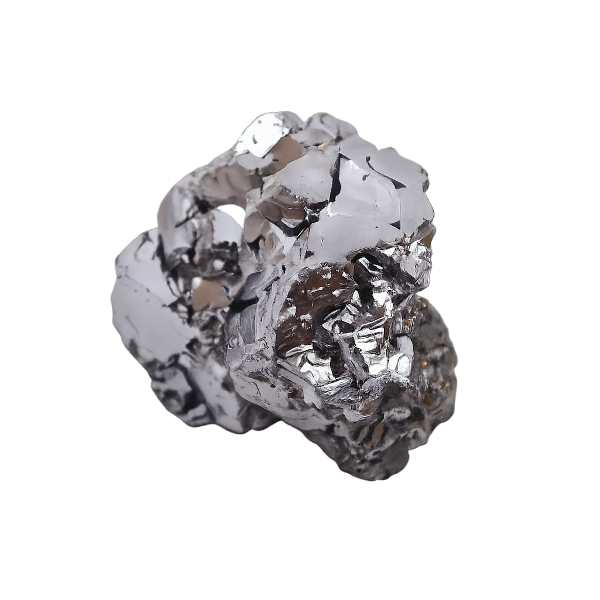
  • Russia's largest beryllium deposit.
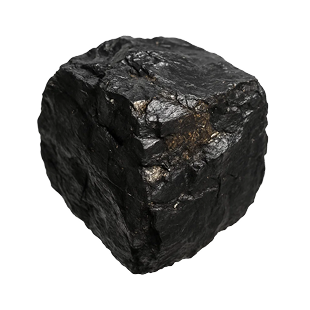
  • 15 million tons of coal mined annually.

Mineral and Natural Resources

Baikal and the Protected Lands

The Deepest Lake on the Planet

Explore

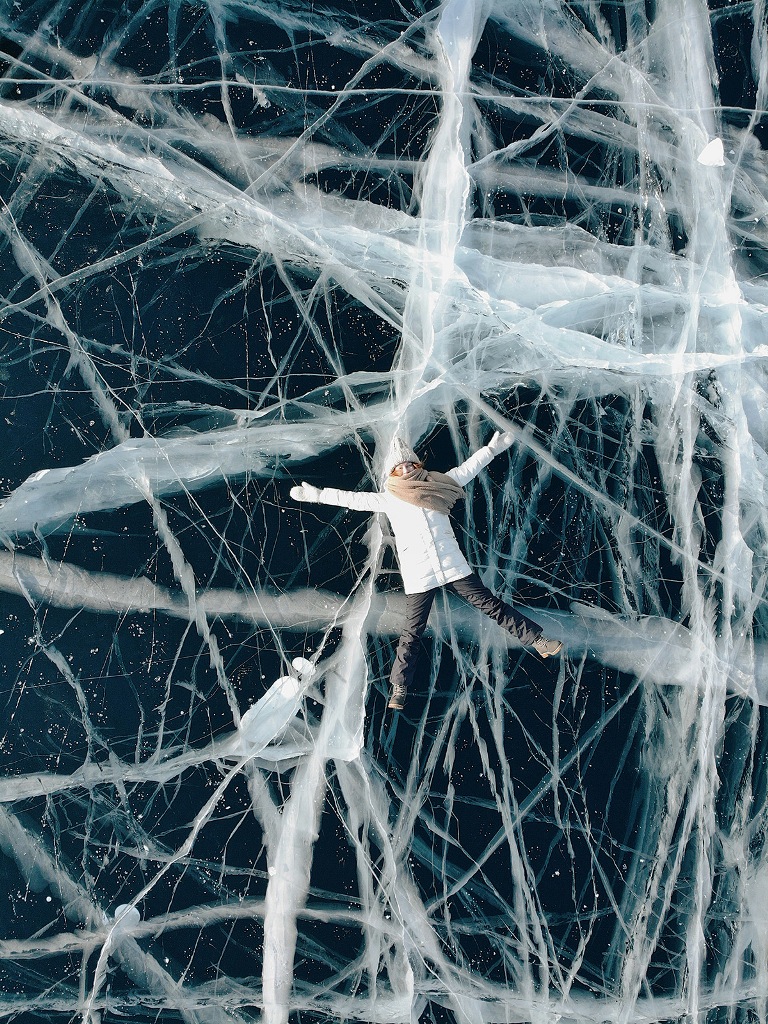
Baikal Does Not Age

Explore

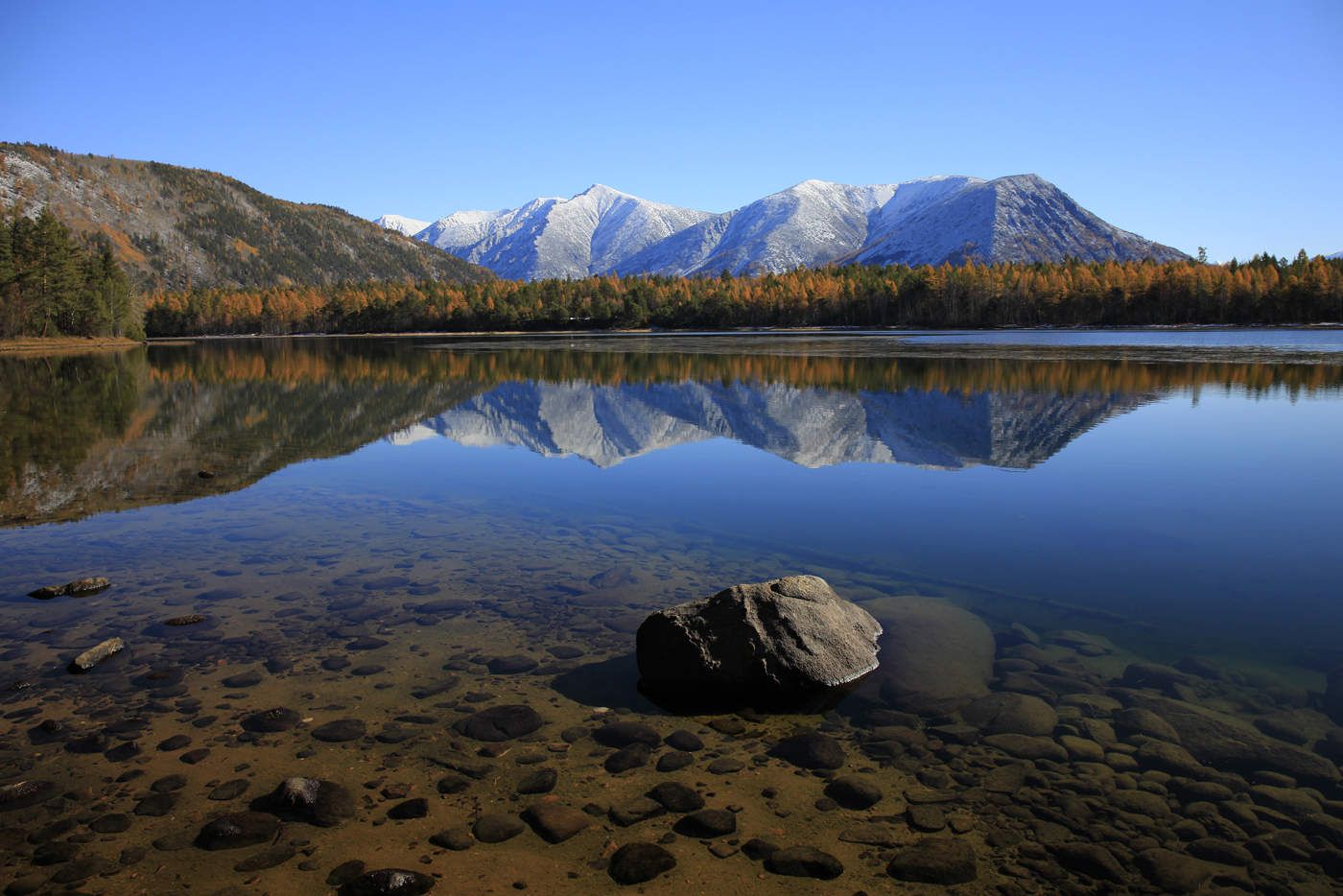
The Bottom is Visible from the Height of a 12-Story Building

Explore

Over Half of Baikal's Animals and Plants
are Endemic

Explore

Underwater oil "fountains" gush
from the lake floor.

Explore

Baikal Has an Inhabited Island

Explore

Baikal's Water is Cold

Explore

Baikal's Winds Have Unique Names

Explore

Baikal Has 300 Sunny Days a Year

Explore

Barguzin Nature Reserve

Transbaikal National Park

Frolikhinsky Federal Nature Reserve

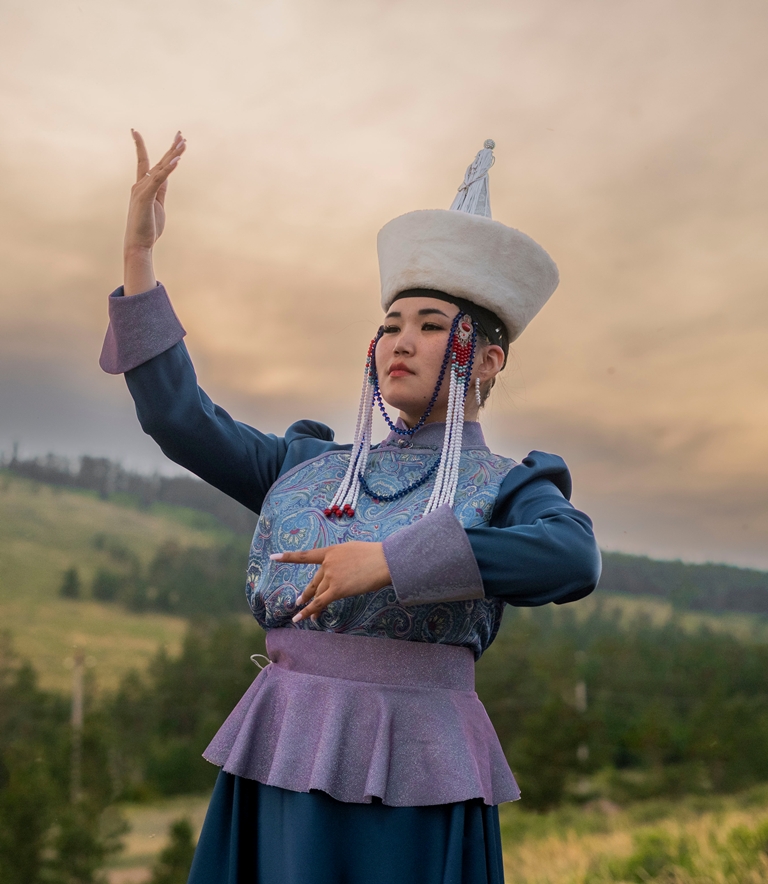
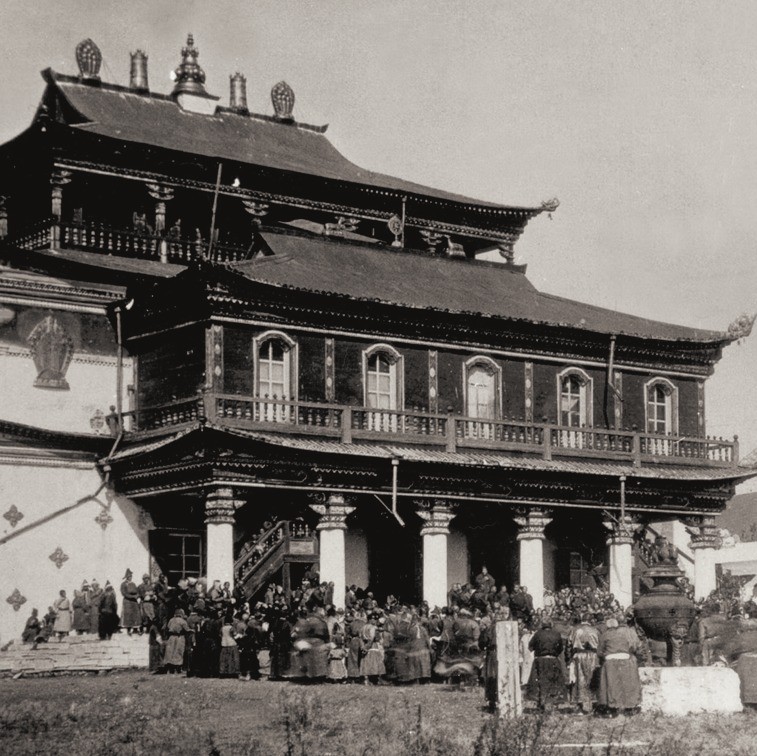
The Legacy of Nomads and Buddhism

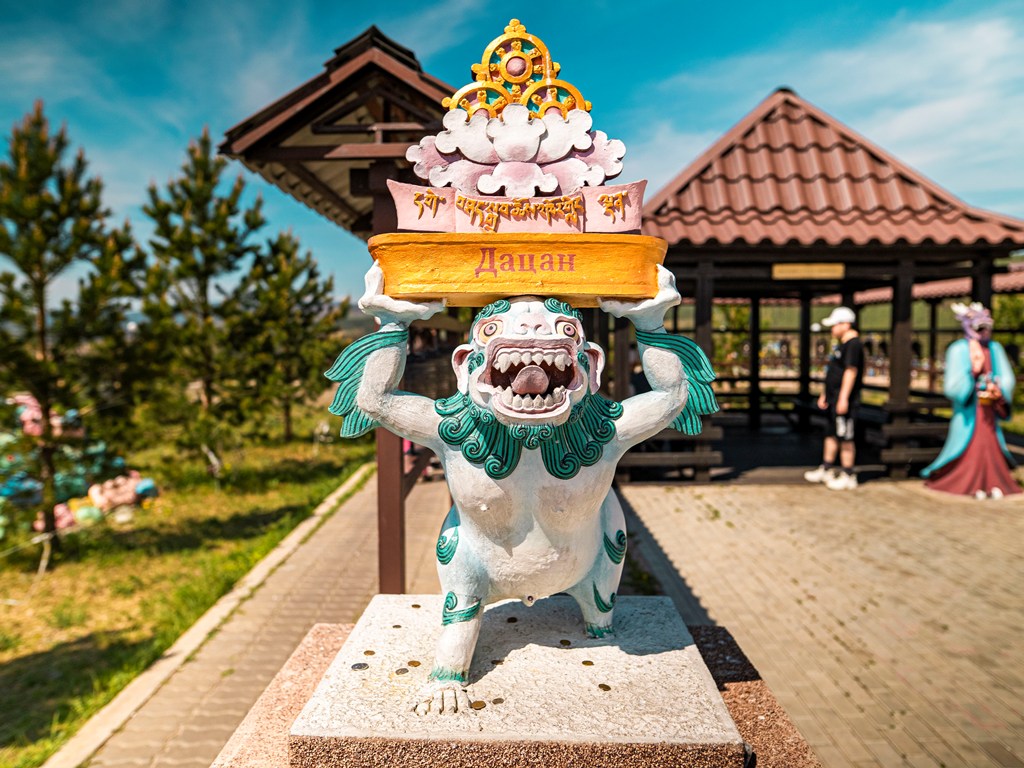
Buryatia is the only region in Russia where Buddhism is recognized as an official religion.

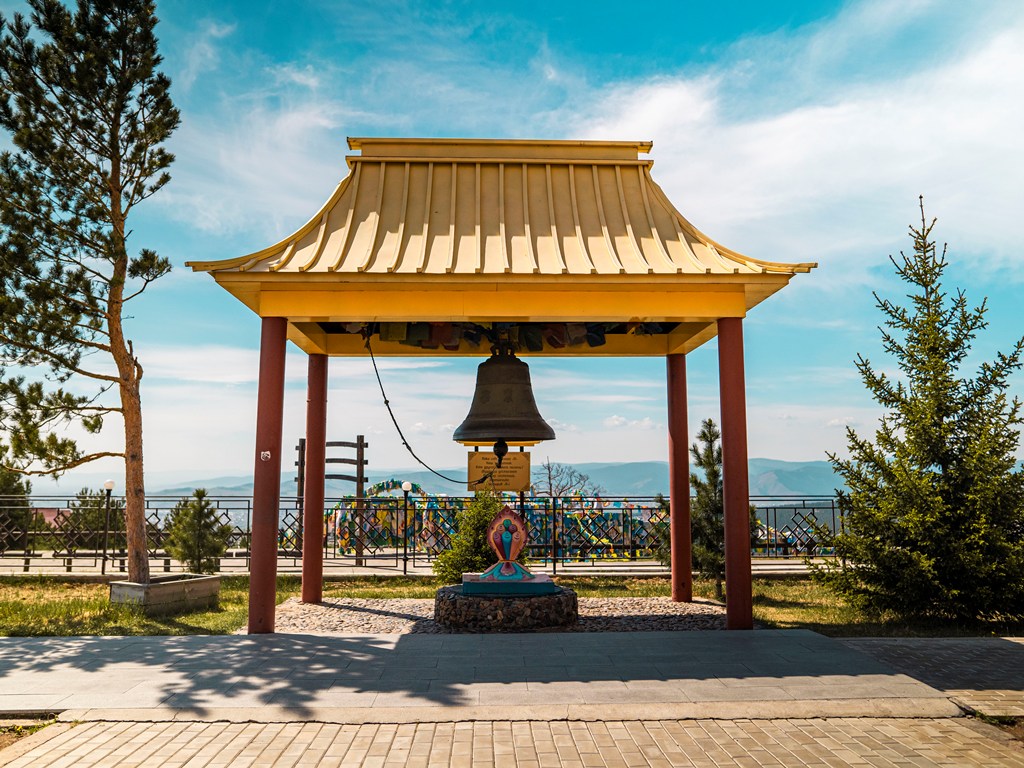
Prayer wheels have since ancient times been an inseparable part of Buddhist culture. They were erected in countless numbers in Tibet and Mongolia, Nepal, Buryatia, Tuva, and Kalmykia – everywhere Buddhism spread widely.

According to Buddhist legend, the origin of the khurde is linked to a time long ago, before the advent of Buddha Shakyamuni, when the teachings of the Tathagata Dipankara flourished on Earth.

The Benefit of Spinning the Khurde. Buddhist texts state that simply spinning a prayer wheel with pure intentions is equivalent to reciting aloud the millions of mantras contained within it.

Agriculture

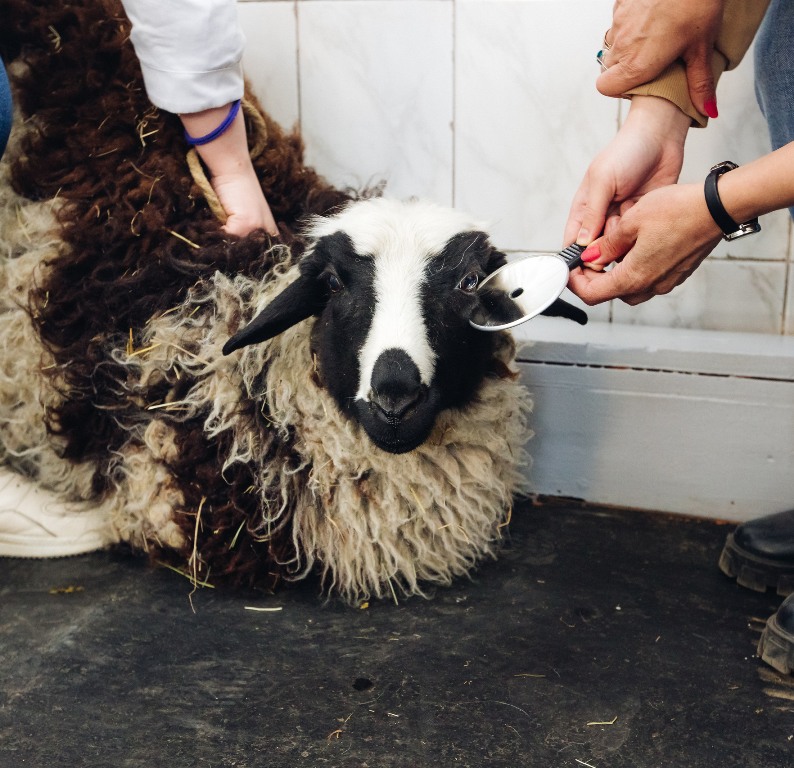
Beef cattle farming, sheep breeding, crop production, and food processing form the cornerstone of the region's agricultural economy

51°49.632′, 107°36.36′

Natural Resources

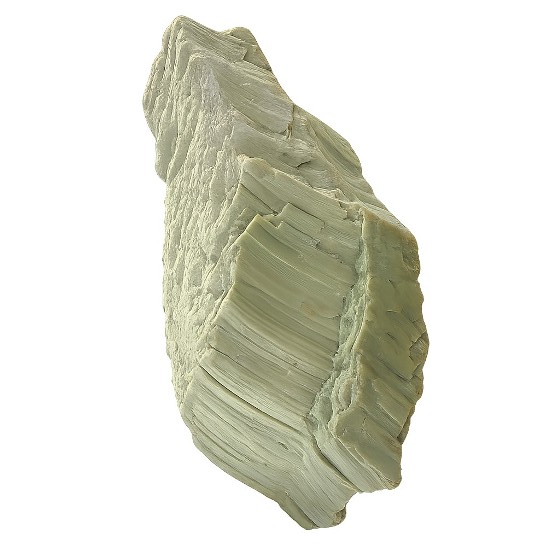
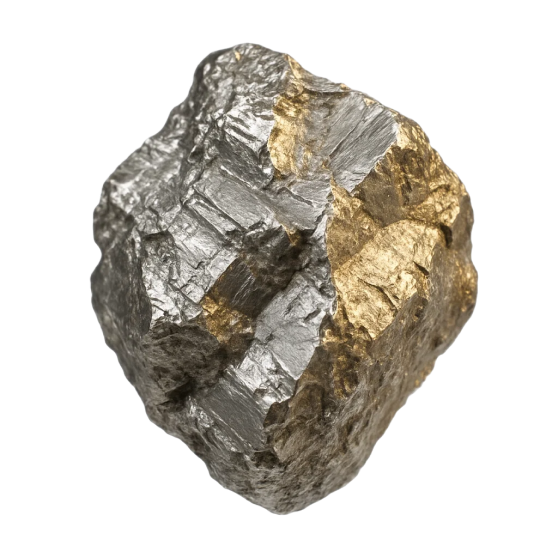
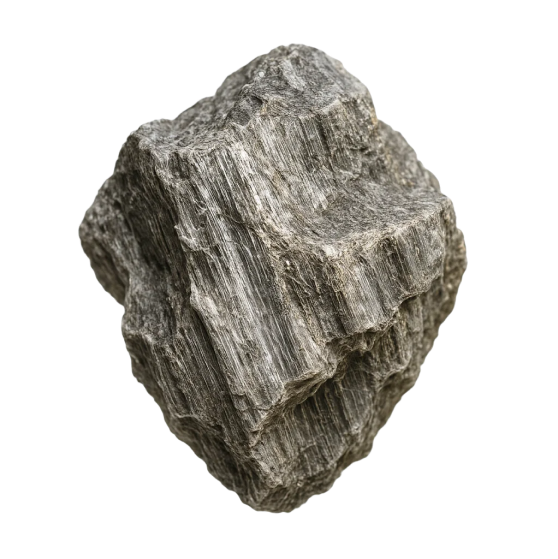
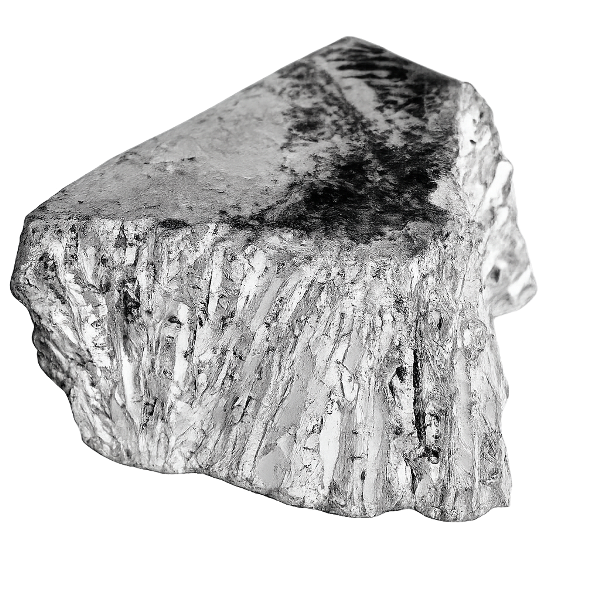
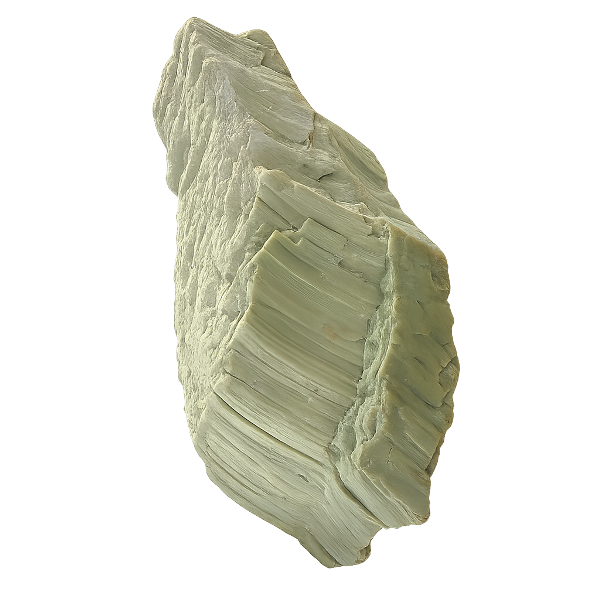
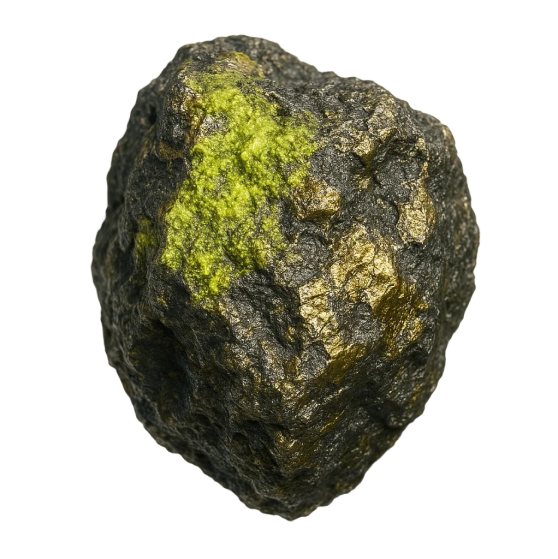
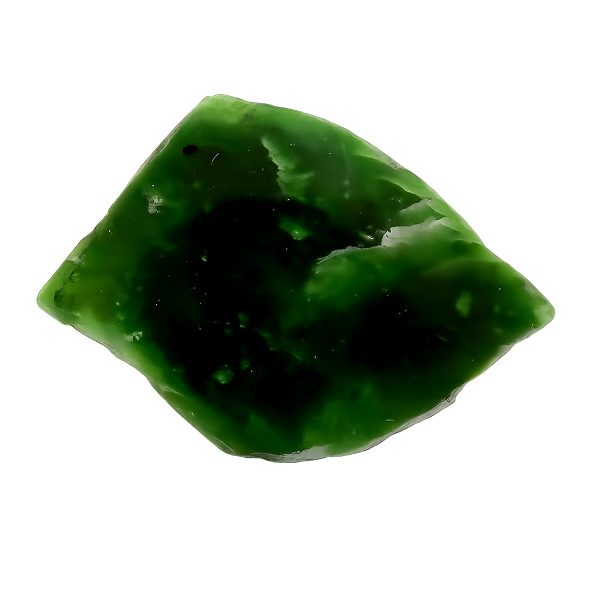
Gold, uranium, nephrite jade – the region holds up to 90% of Russia's total reserves of these strategically important minerals

51°49.632′, 107°36.36′

Tourism

With over 300 sunny days annually, the region boasts unique natural attractions like the Zmeiny and Arshan thermal springs

51°49.632′, 107°36.36′

The structure of the economy

over 700 mineral deposits
300 gold deposits
13 uranium deposits
10 brown coal deposits
4 hard coal deposits
2 asbestos deposits
7 tungsten deposits
4 polymetallic ore deposits
3 molybdenum deposits
3 beryllium deposits

The structure of the economy

The subsoil of Buryatia contains
52% of Russia's proven zinc reserves
24% of Russia's proven lead reserves
32% of Russia's proven molybdenum reserves
32% of Russia's proven tungsten reserves
18% of Russia's proven chrysotile asbestos reserves
8% of Russia's proven uranium reserves
90% of Russia's proven nephrite jade reserves

History

From Nomadic Tribes to Modern Research

1923
1923 Establishment of the Buryat-Mongolian ASSR. Buryatia was founded as a republic in 1923. On May 30 – the date celebrated as Republic Day – the Buryat-Mongolian Autonomous Soviet Socialist Republic was formed, with Verkhneudinsk as its capital (renamed Ulan-Ude in 1934).
1958
1958 Renaming to the Buryat ASSR. In July 1958, the region was officially renamed the Buryat ASSR. In the spring of 2017, the authorities established Republic Day, and the People's Khural deputies officially designated May 30 as a public holiday.
2023
2023 Centennial of the Republic. In 2023, the “taiga lake land” celebrated its 100th anniversary on a grand scale. To mark the centenary, commemorative silver coins and a jubilee medal were issued in Russia. The medal’s design was selected through a public online vote, with the winning sketch receiving 22.01% of the votes.

Tourism and Gastronomy

Travel and Savor Buryatia!

Discover the nature, culture, and flavors of Buryatia—travel, explore, and savor authentic Buryat cuisine.

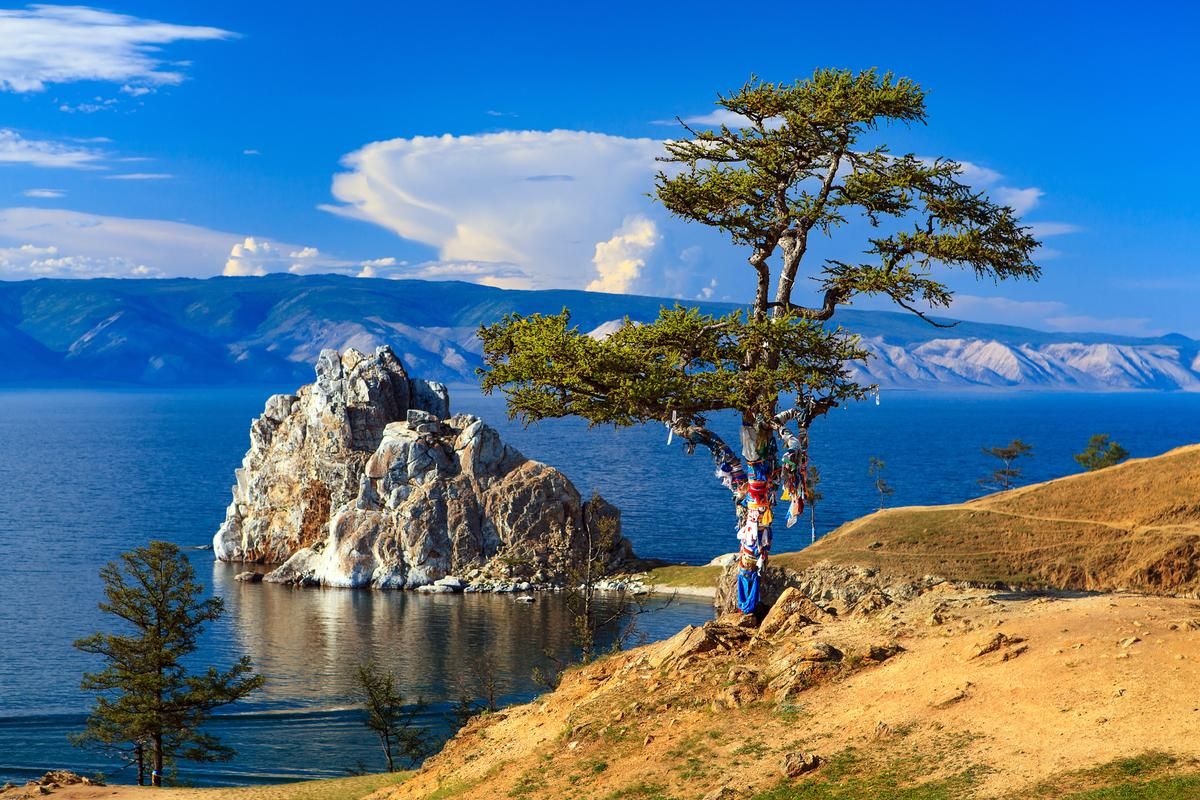
Shaman Rock

Shaman Rock is one of the legendary landmarks of Lake Baikal. The image of this twin-peaked cliff has been reproduced countless times as the quintessential symbol of the Baikal region.

51°49.632′, 107°36.36′

Steppe Nomad Ethno-Complex

The ASAGAD "Steppe Nomad" ethno-complex is situated in the Atsagat Valley, just 50 km from the center of Ulan-Ude.

51°49.632′, 107°36.36′

Valley of Volcanoes

The Tunka Valley—one of the most amazing and picturesque places in the Baikal region—is rich in natural beauty and cultural landmarks.
51°49.632′, 107°36.36′
Image
Image

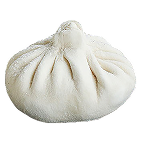
And we have buuz

,
boovy and milk tea—more than just food. They are a taste of tradition, family warmth, and deep respect for the land and the people who cultivate it.