The Deepest Lake on the Planet
This is Baikal's primary and most renowned distinction. Its maximum recorded depth is 1,642 meters—nearly five times the height of the Eiffel Tower. The lake's average depth is approximately 750 meters.
Baikal holds another record: it is considered the world's largest freshwater reservoir by volume. It contains 19% of the world's fresh water, with a total volume of 23.6 thousand cubic kilometers. This is almost 90 times the volume of the Sea of Azov.
Baikal Does Not Age
The average lifespan of most lakes is 10,000-20,000 years. In contrast, scientists estimate Baikal's age at 25-35 million years. Remarkably, the lake shows no signs of aging—it is not turning into a swamp nor filling with sediment. On the contrary, it continues to grow.
The lake's shores are moving apart by about 2 cm each year, leading some scientists to suggest that Baikal may eventually become an ocean.
The Bottom is Visible from the Height of a 12-Story Building
Yes, you read that correctly—you can actually see the bottom at depths of up to 40 meters.
Baikal's water is pure and transparent. Many visitors believe it is safe to drink directly from the lake. However, according to scientific data, this is not advisable—research has detected toxins in the water that may be hazardous to humans.
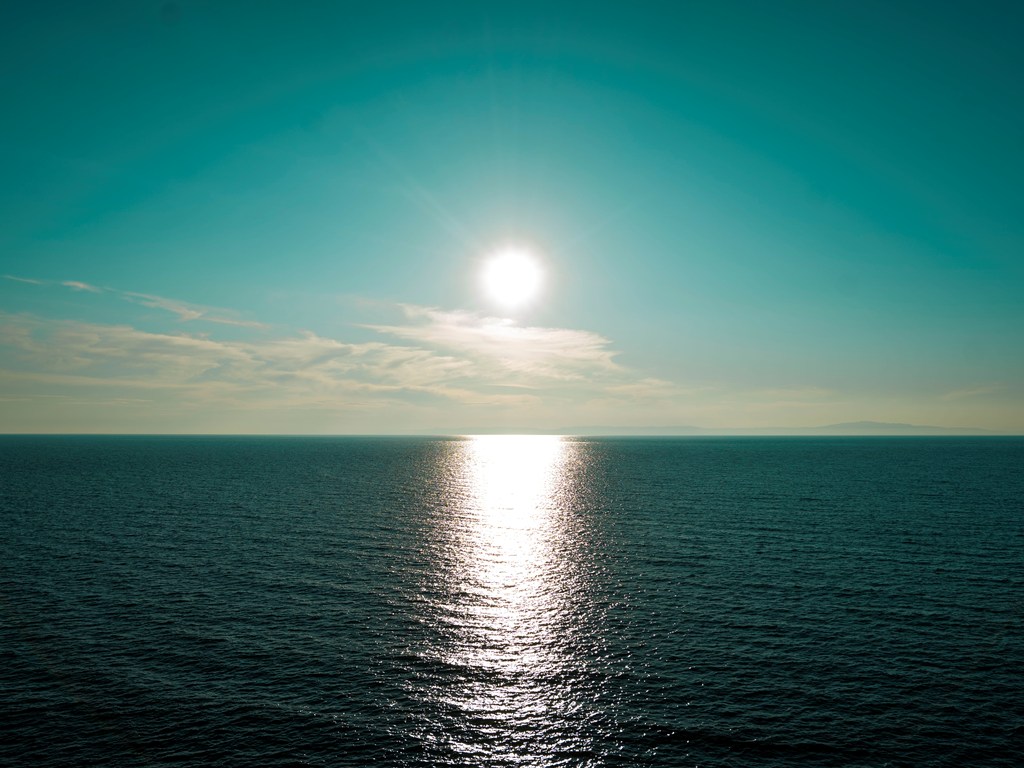
The remarkable water of Baikal changes its color throughout the year. In spring, it appears blue and is at its most transparent, while by autumn, as algae bloom and bacteria multiply, it can shift to shades of deep blue and green.
Over Half of Baikal's Animals and Plants are Endemic
Endemic species are confined to a specific territory and are found nowhere else on the planet.
Among Baikal's well-known endemics are the nerpa (Baikal seal), the sturgeon, and the omul fish. In total, the lake and its surroundings are home to about 1,000 species of endemic organisms. Some of them can be observed in the wild—for instance, the Ushkany Islands host the largest haul-out site for the nerpa.
The Baikal seal is the lake's only mammal. Scientists still do not know how it originally came to inhabit Baikal.
Underwater oil "fountains" gush from the lake floor. Experts estimate that about six tons of oil enter Baikal's waters annually from such sources. Despite this, the lake remains clean. Natural "pollution" is managed by oil-oxidizing bacteria of the genus Rhodococcus—they essentially "consume" the oil, preventing it from spreading across the lake.
Oil extraction in Baikal is prohibited, as it could lead to an ecological catastrophe. Moreover, Baikal's oil is difficult to access, making its extraction economically unviable.
Baikal Has an Inhabited Island
Baikal is not only an endless expanse of water but also home to several dozen islands. The largest and only inhabited one is Olkhon Island, with a total area of 730 km². As of 2017, its permanent population was 1,682 people.
You can and should visit Olkhon to see Shamanka Rock (Shaman Rock) – one of the island's main landmarks and a pilgrimage site for Buryat and Yakut shamans. You can also admire the golden sands of Saraysky Bay and join local guides to explore Baikal's most sacred sites.
Olkhon is considered the geographical and historical center of Baikal.
Baikal's Water is Cold
Experienced travelers recommend swimming in the "Siberian Sea" only in late summer and in shallow areas – bays with gently sloping bottoms. In these spots, the water can warm up to +22°C in July-August. It's better not to venture into other parts of the lake for a swim – even in summer, the water temperature in open areas does not exceed +15°C.
An interesting fact about the ice: like the water, it changes color – it can be black (as in the photo), turquoise, transparent, or milky white.
Baikal's Winds Have Unique Names
Swimming in Baikal is challenging not only because of the cold water but also due to the winds that blow here year-round. Meteorologists have recorded over 30 types of air currents, each with its own name.
For example, the Barguzin wind blows in the central part of Baikal and brings sunny weather, while the Kultuk, on the contrary, accompanies rainy days. These winds stir up storms with steep, frequent waves reaching heights of up to 6 meters.
An interesting fact: the lake almost never experiences complete calm.
Baikal Has 300 Sunny Days a Year
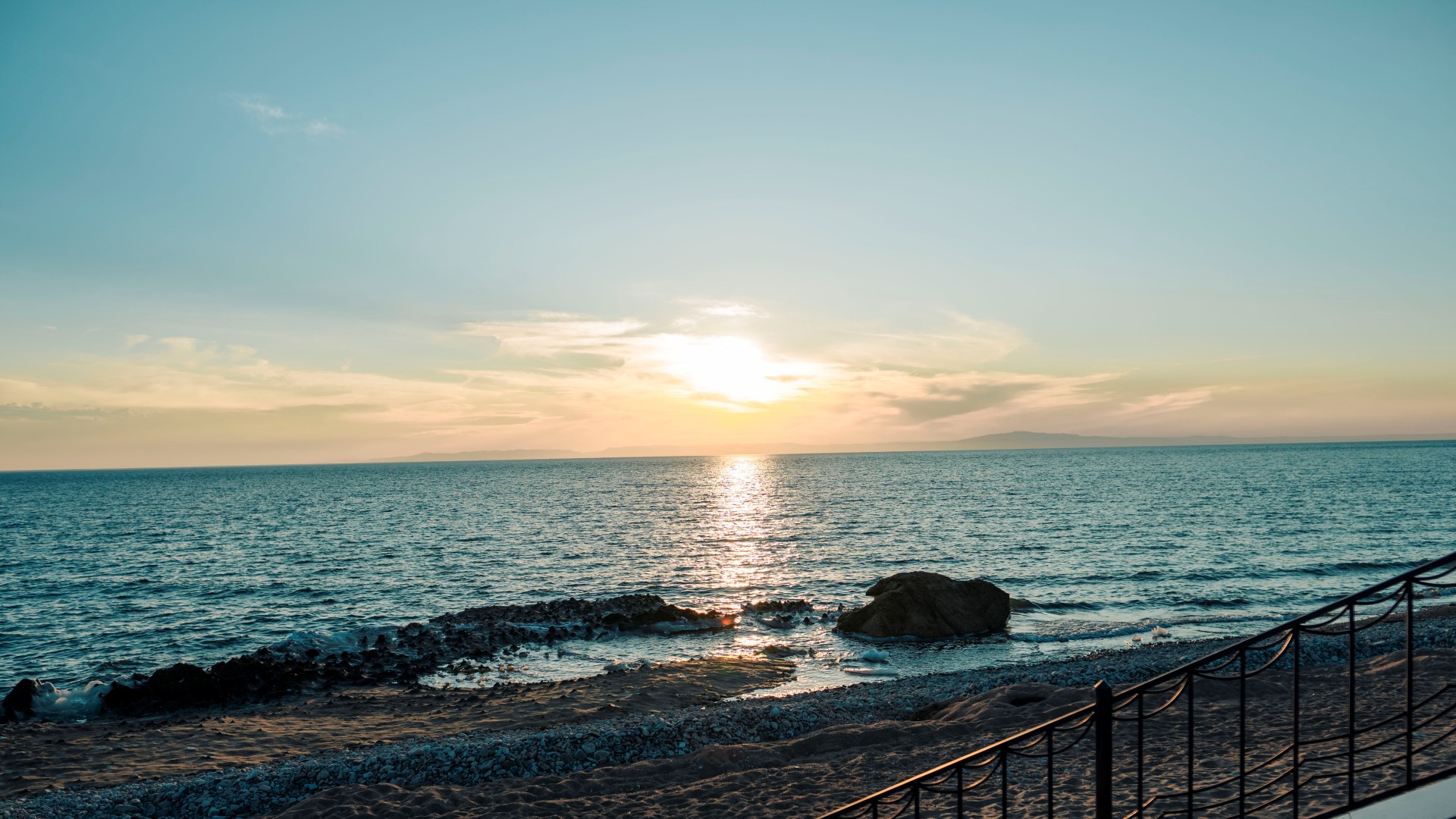
Despite the cold water and winds, Baikal enjoys an abundance of sunshine. Olkhon Island has more sunny days than many southern regions of Russia.
Come here if you want to stock up on vitamin D – Baikal has plenty of it!